
Ruaha National Park
Overview

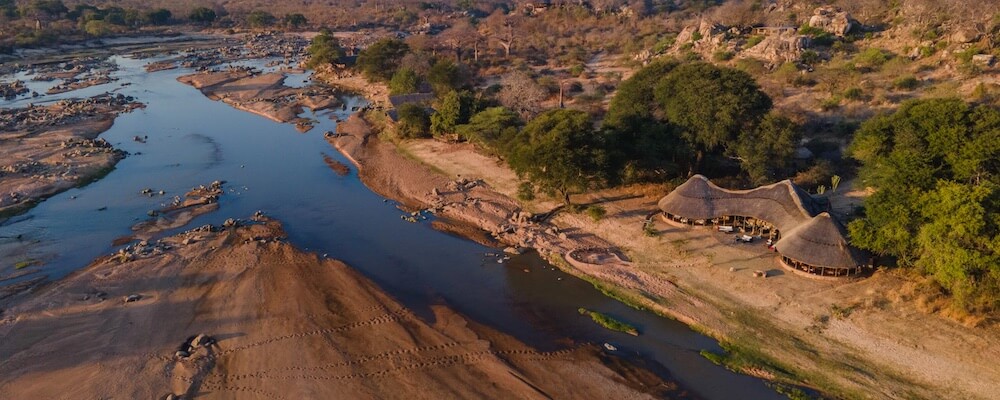
Remote, vast, and wonderfully untamed, Ruaha National Park is Tanzania’s largest national park and one of Africa’s most rewarding wilderness destinations. Located in central Tanzania, the park covers over 20,000 square kilometers and forms the heart of the country’s southern safari circuit. Ruaha is far less visited than the northern parks, offering an authentic safari experience defined by space, solitude, and raw nature.
The park’s lifeline is the Great Ruaha River, which cuts through rugged landscapes of rolling hills, rocky escarpments, open plains, and ancient baobab forests.
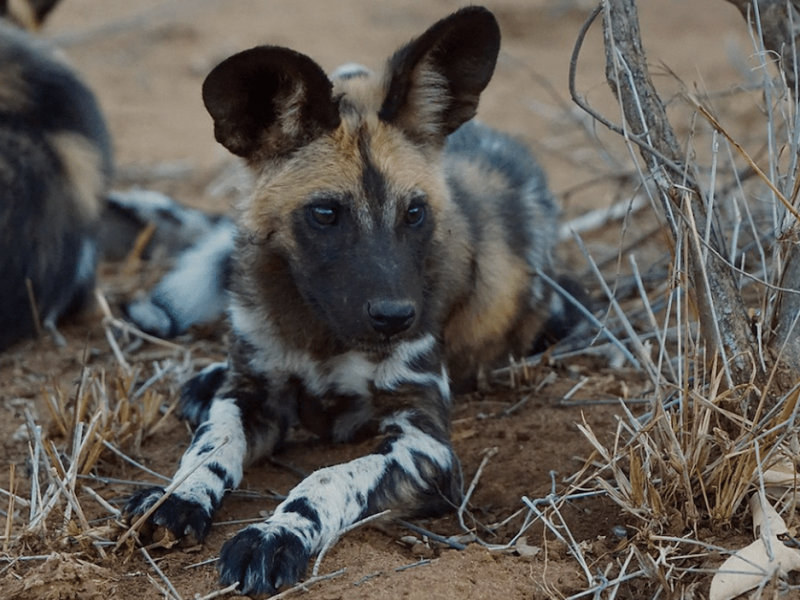
This diversity supports an exceptional concentration of wildlife, including one of East Africa’s largest elephant populations. Ruaha is also famous for its high predator density and dramatic scenery, making it ideal for experienced safari travelers and those seeking something truly wild.
Access is typically via light aircraft from Dar es Salaam or Iringa, reinforcing the park’s off-the-beaten-path appeal. Ruaha combines classic game viewing with a strong sense of exploration and discovery.
Nyerere Tour Activities
Game Drives
Game drives in Ruaha are exceptional, particularly along the Great Ruaha River during the dry season. As water becomes scarce, wildlife gathers in large numbers along the riverbanks.
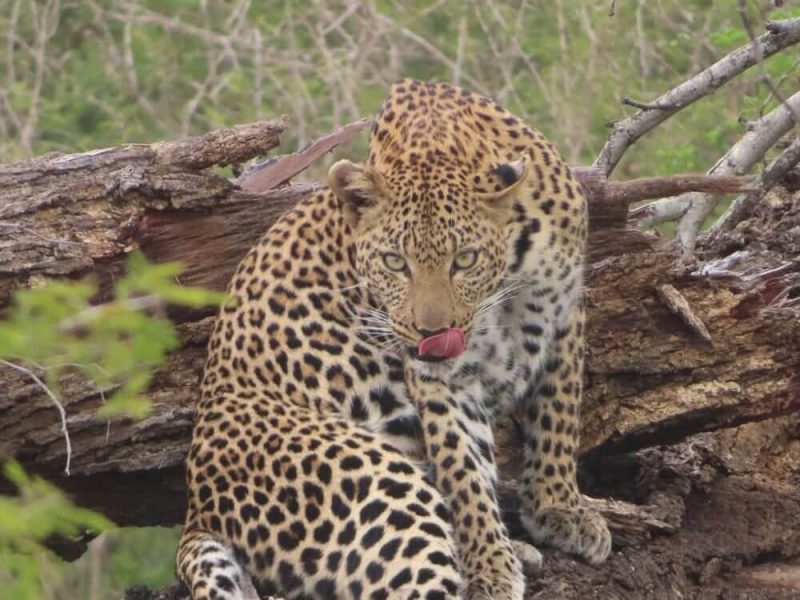
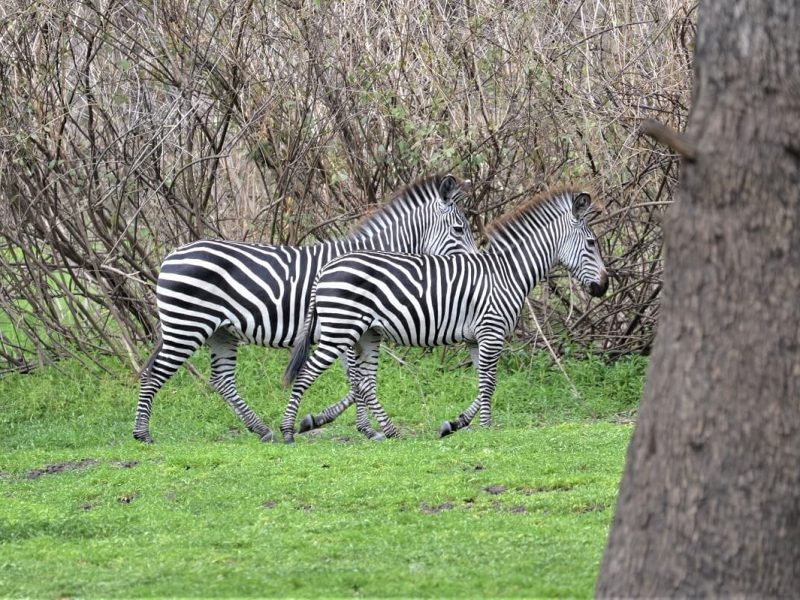
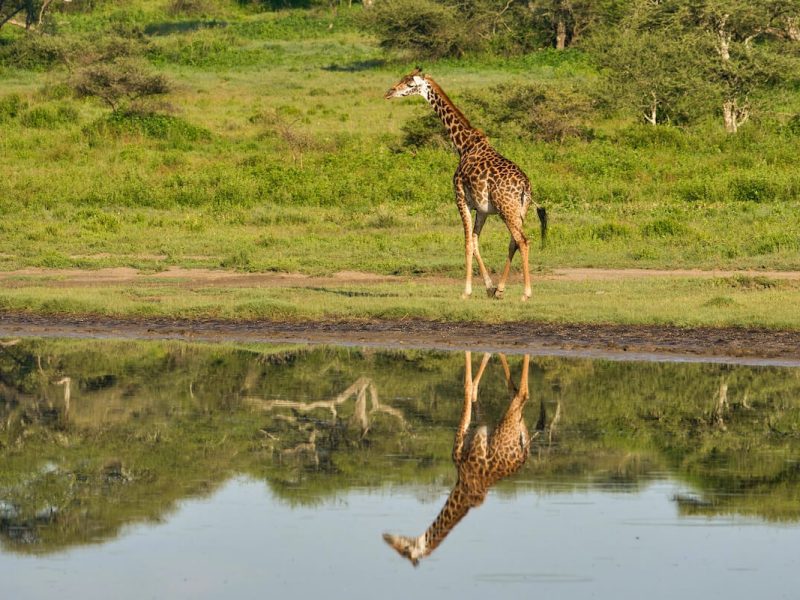
Expect to see elephants, buffalo, giraffes, zebras, and antelope species, often accompanied by predators such as lions, leopards, and cheetahs. Ruaha is also known for hosting both greater and lesser kudu, a rare sight elsewhere in Tanzania.
Walking Safaris
Ruaha is one of the best parks in Tanzania for guided walking safaris. Accompanied by armed rangers, walking safaris allow visitors to explore the bush on foot, focusing on tracks, plants, animal behavior, and the smaller details of the ecosystem.
The experience offers a deeper connection to the landscape and a strong sense of adventure.
Bird Watching
With over 570 recorded bird species, Ruaha is a premier birding destination. The park lies at the crossroads of eastern and southern African ecosystems, resulting in an exceptional mix of species.
Kingfishers, hornbills, eagles, vultures, and colorful bee-eaters are commonly seen, particularly near riverine habitats.
Exploring Baobab and Rocky Landscapes
Ruaha’s landscapes are among the most dramatic in Tanzania. Massive baobab trees, rocky kopjes, and wide riverbeds create striking scenery and excellent photographic opportunities. These features also provide shade, water, and shelter for wildlife during the dry season.
Best Time to Visit Ruaha
Dry Season (June to October)
This is the best time to visit Ruaha National Park. Wildlife concentrates along the Great Ruaha River, making sightings frequent and dramatic.
Elephant herds are particularly impressive, and predator activity is high. Vegetation is sparse, improving visibility, and road conditions are ideal for game drives and walking safaris.
Short Dry Period (January to February)
These months offer good wildlife viewing with fewer visitors. The landscape remains relatively green, birdlife is abundant, and the park feels quiet and exclusive.
This is a good time for travelers seeking balance between scenery and game viewing.
Green Season (March to May)
During the long rains, Ruaha transforms into a lush, green wilderness. Some areas become less accessible, and wildlife disperses more widely,
but bird watching is excellent and the scenery is at its most dramatic. This season suits photographers, birders, and travelers who value solitude over dense wildlife concentrations.