Amboseli National Park
Overview

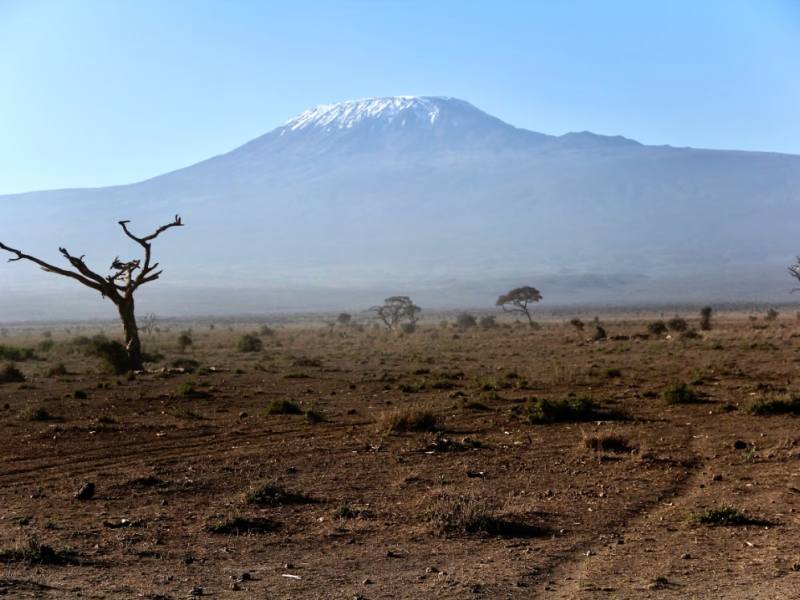
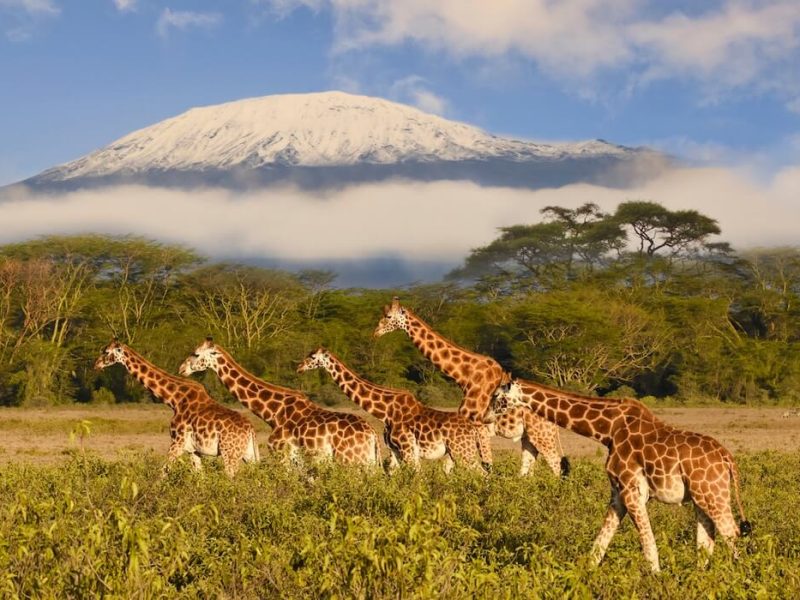
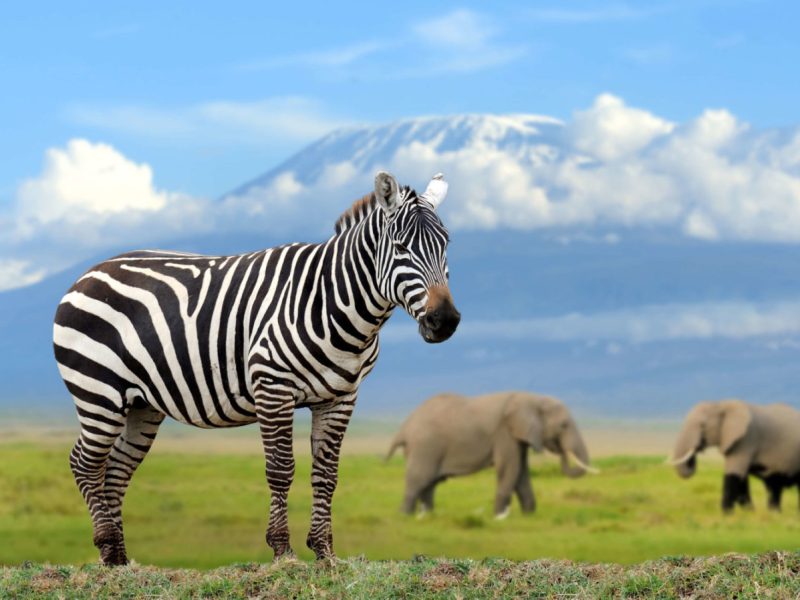
Amboseli National Park is one of Kenya’s most iconic safari destinations, famous for its vast open plains, large elephant herds, and spectacular views of Mount Kilimanjaro, Africa’s highest mountain, rising just across the border in Tanzania. The park lies in southern Kenya near the Tanzanian frontier and covers approximately 392 square kilometers, forming part of a wider cross-border ecosystem shared with northern Tanzania.
The park’s name comes from a Maasai word meaning “salty dust,” a reference to the dry lake beds and dusty plains that dominate much of the landscape. Despite this arid appearance, Amboseli supports rich wildlife thanks to an underground water system fed by melting snow from Mount Kilimanjaro. This water surfaces in the form of permanent swamps and marshes, creating green oases that attract animals throughout the year and make wildlife viewing highly reliable.
Amboseli is especially renowned for its large-tusked elephants, some of the most studied elephant populations in Africa. These elephants are often seen moving between open plains and swampy areas, offering exceptional close-range viewing and photographic opportunities. In addition to elephants, the park is home to lions, cheetahs, hyenas, buffalo, giraffes, zebras, hippos, and a wide variety of antelope species.
The open terrain of Amboseli makes it easy to observe wildlife without long or difficult tracking drives. Combined with dramatic scenery, changing light conditions, and frequent wildlife encounters, the park offers a relaxed yet highly rewarding safari experience.
Amboseli Tour Activities
Game Drives
Game drives in Amboseli focus on open plains and wetland areas where wildlife naturally congregates. Large elephant herds dominate the landscape, often accompanied by giraffes, zebras, and wildebeest.
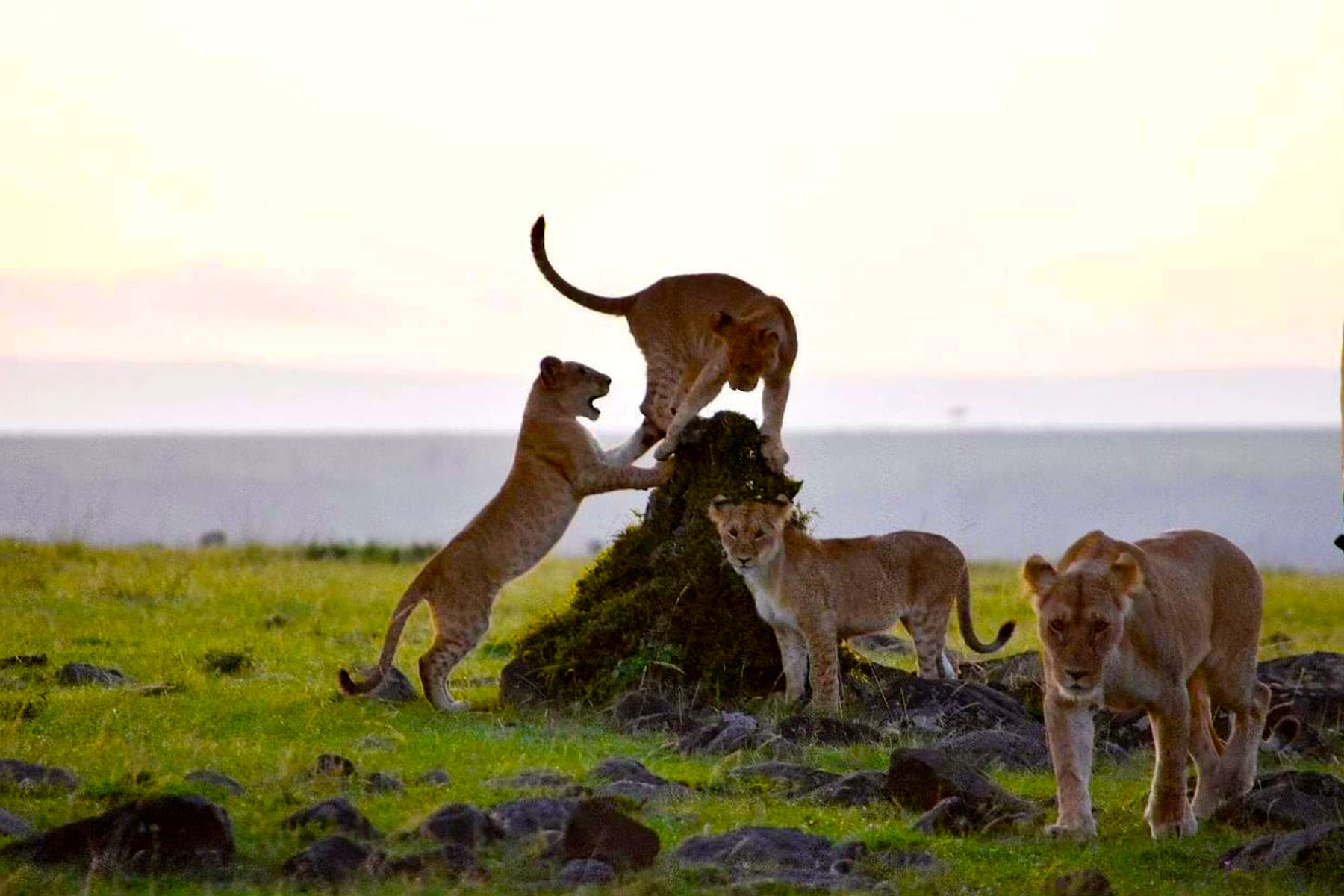
Predators such as lions and cheetahs are commonly seen resting in the shade or hunting in the cooler hours of the day. The visibility in Amboseli is excellent, making game drives suitable for all travelers, including first-time safari visitors.
Elephant Viewing and Conservation Experience
Amboseli is one of Africa’s leading centers for elephant research and conservation.
Many elephants are individually identified, allowing guides to explain family structures, social behavior, and long-term conservation efforts. Observing these elephants in their natural environment is one of the park’s defining experiences and a highlight for many visitors.
Swamp and Wetland Exploration
The permanent swamps are the lifeline of Amboseli. Hippos, buffalo, and water birds gather here in large numbers, especially during dry periods.
Elephants are frequently seen feeding and cooling off in the water, creating some of the park’s most memorable wildlife scenes.
Bird Watching
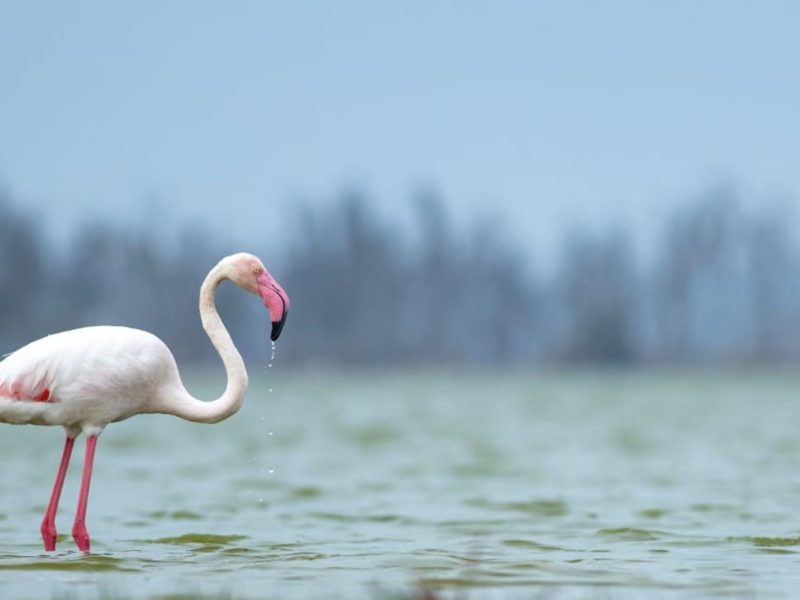
With over 400 recorded bird species, Amboseli is an excellent destination for bird enthusiasts.
Water birds thrive around the swamps, while raptors and grassland species are easily spotted across the plains. Birdlife is particularly rich during the green season when migratory species arrive.
Cultural Visits to Maasai Communities
Cultural visits to nearby Maasai villages offer insight into traditional pastoral life, customs, and craftsmanship. These visits add cultural depth to the safari experience and help visitors understand the close relationship between local communities and the surrounding wildlife landscape.
Best Time to Visit Amboseli
Dry Season (June to October & January to February)
This is the best time for wildlife viewing. Animals concentrate around permanent water sources, visibility is excellent, and Mount Kilimanjaro is most likely to appear clearly in the early mornings.
Elephant sightings are at their peak during this period.
Green Season (March to May & November)
During the rainy months, Amboseli becomes lush and green. Wildlife disperses slightly, but birdlife is outstanding, and the scenery is especially photogenic.
Afternoon clouds may obscure Kilimanjaro, but the park feels quieter and more atmospheric.