
Queen Elizabeth National Park
Overview

Queen Elizabeth National Park is Uganda’s most diverse and scenic savannah park, renowned for its rich wildlife, dramatic landscapes, and unique combination of land and water ecosystems. Located in western Uganda, the park lies between Lake Edward and Lake George and is framed by the snow-capped Rwenzori Mountains to the north.
Covering approximately 1,978 square kilometers, it forms part of the greater Albertine Rift, one of Africa’s most important biodiversity hotspots.The park’s landscape is remarkably varied, ranging from open savannah and acacia woodland to wetlands, crater lakes, and lush riverine forests.
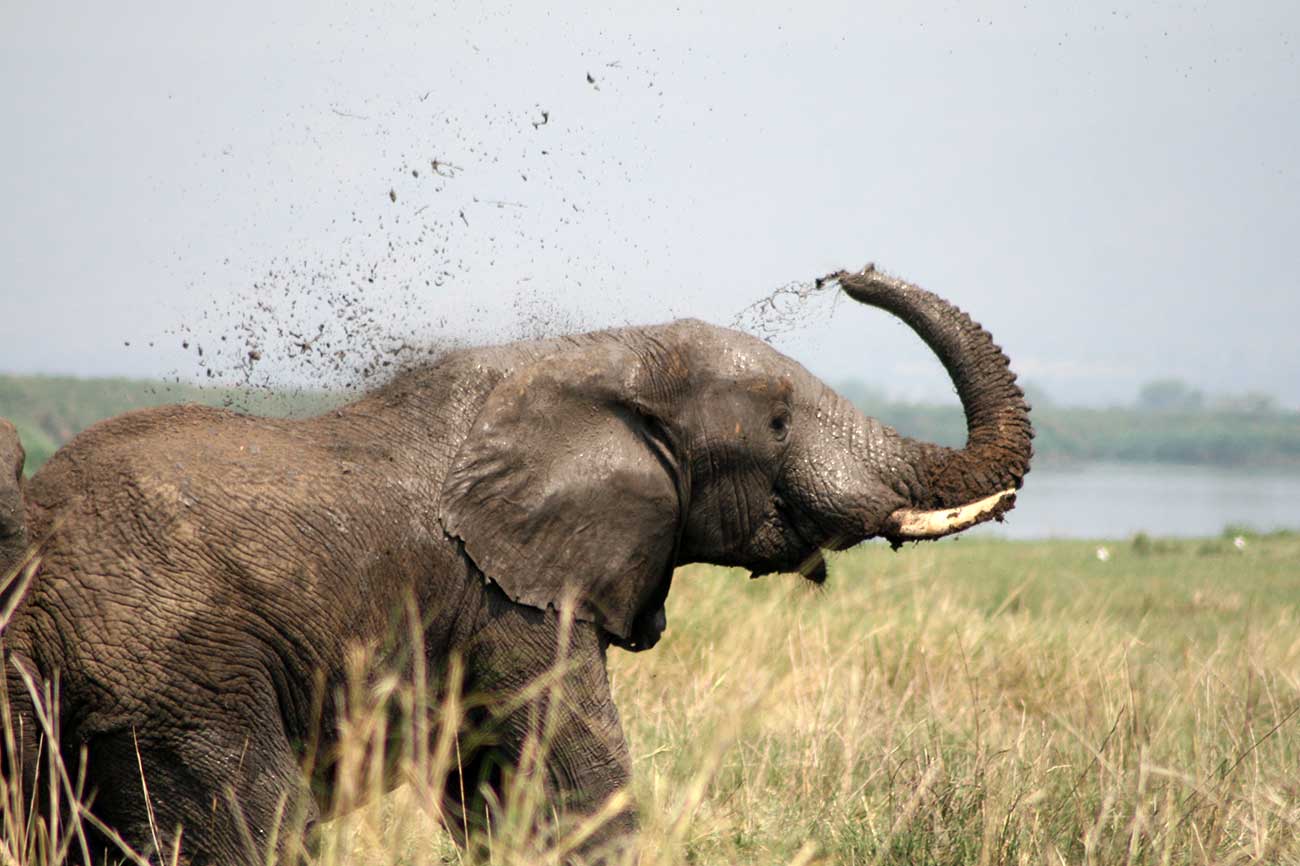
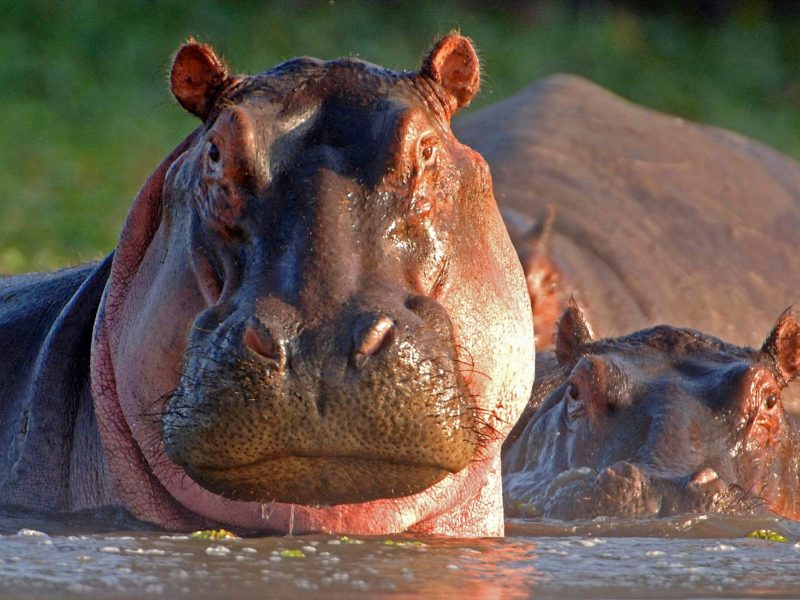
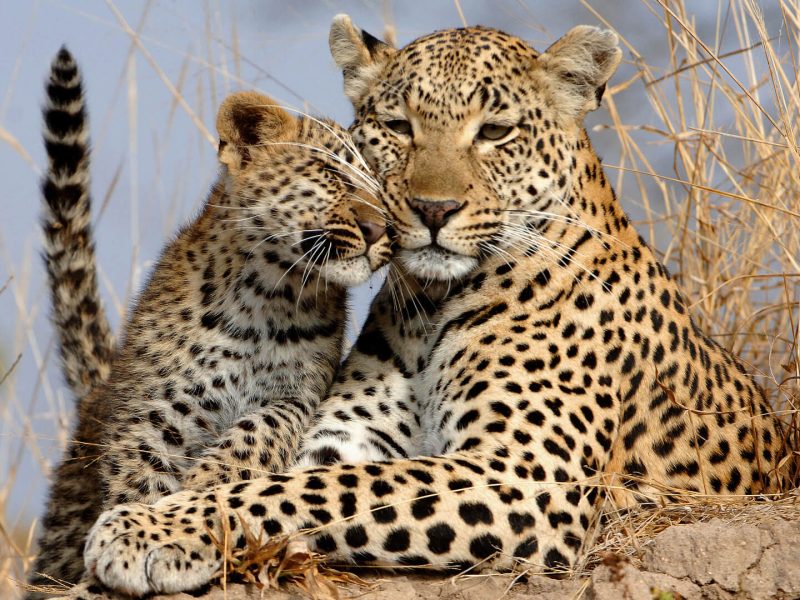
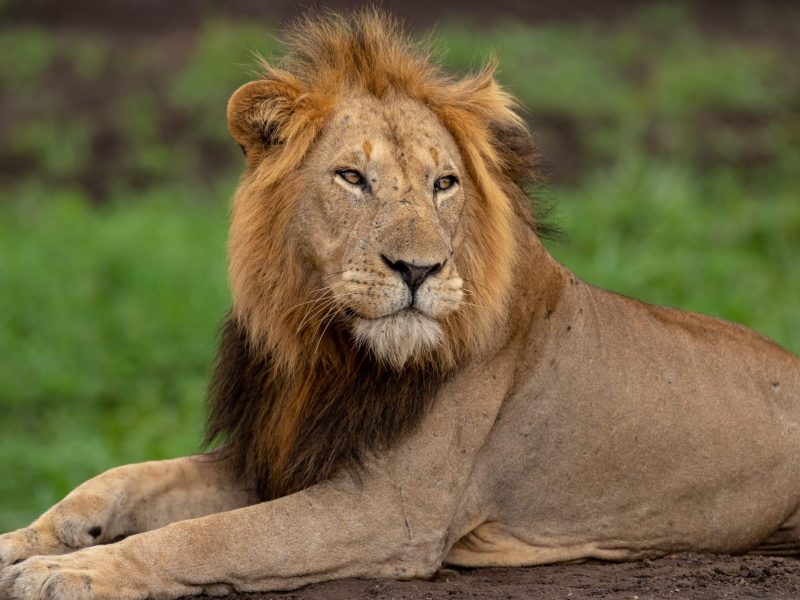
This diversity supports a wide array of wildlife, including elephants, buffalo, hippos, lions, leopards, antelope species, and over 600 bird species, making it one of the best all-round safari destinations in East Africa.
Queen Elizabeth National Park is also famous for its tree-climbing lions in the Ishasha sector, a rare behavior seen in only a few places in Africa. Combined with excellent accessibility and varied activities, the park offers a well-balanced safari experience suitable for both first-time and seasoned travelers.

Queen Elizabeth Tour Activities
Game Drives
Game drives take place mainly in the Kasenyi Plains and Ishasha sector, each offering a distinct experience. Kasenyi is known for large herds of Uganda kob, which attract predators such as lions and leopards.
In Ishasha, visitors search for the famous tree-climbing lions often seen resting in fig trees. Elephants, buffalo, warthogs, and various antelope species are commonly encountered.
Boat Safari on the Kazinga Channel
The Kazinga Channel, which connects Lake George and Lake Edward, is one of the park’s highlights. Boat safaris here offer close-range viewing of hippos, crocodiles, buffalo, elephants, and an extraordinary variety of water birds.
This relaxed activity provides excellent photography opportunities and complements traditional game drives.
Tree-Climbing Lions of Ishasha
The Ishasha sector is internationally known for its tree-climbing lions, which spend much of the day resting in large fig trees.
Observing this unusual behavior is one of the park’s most memorable wildlife experiences and a key reason many travelers include Queen Elizabeth in their itinerary.
Bird Watching
With more than 600 recorded bird species, Queen Elizabeth National Park is one of Africa’s top birding destinations.
Wetlands, lakeshores, forests, and open plains attract everything from flamingos and pelicans to raptors and forest specialists. Birding is excellent year-round, particularly along the Kazinga Channel.
Cultural and Community Visits
Cultural visits to nearby communities provide insight into local fishing villages, traditional lifestyles, and conservation initiatives.
These experiences add cultural depth and help travelers understand the relationship between people and the protected landscape.
Best Time to Visit Queen Elizabeth
Dry Seasons (June to August & December to February)
These are the best times for wildlife viewing. Animals gather around water sources, vegetation is thinner, and road conditions are good.
Game drives and boat safaris are consistently rewarding, and visibility is excellent.
Green / Wet Seasons (March to May & September to November)
During the rainy months, the park becomes lush and scenic. Wildlife disperses slightly, but birdlife is outstanding, and landscapes are especially photogenic.
Visitor numbers are lower, making this a good time for travelers seeking a quieter experience.
Best Time of Day
Early morning and late afternoon offer the best conditions for game drives, while boat safaris on the
Kazinga Channel are particularly enjoyable in the mid-morning or late afternoon.