
Gombe National Park
Overview

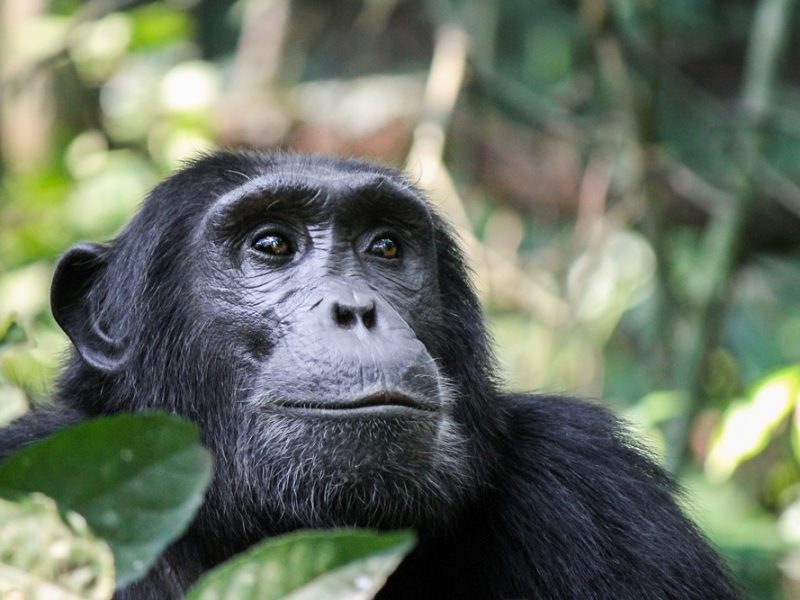
Tucked along the eastern shore of Lake Tanganyika in western Tanzania, Gombe National Park is one of Africa’s most unique wildlife destinations. Though relatively small—covering just over 50 square kilometers—the park is internationally renowned for its remarkable population of wild chimpanzees and its long history of groundbreaking primate research led by Jane Goodall. Steep forested slopes, narrow valleys, and clear streams flowing toward the lake create a dramatic landscape that feels remote, peaceful, and deeply connected to nature.
Unlike the classic savannah safari experience found in many other parks in Tanzania, Gombe offers a rare rainforest adventure centered on chimpanzee trekking. Visitors hike through lush tropical forest accompanied by experienced guides in search of chimpanzee families moving through the canopy or resting on the forest floor. Watching these intelligent primates interact, communicate, and care for one another in their natural environment is an extraordinary wildlife encounter that makes Gombe truly special.
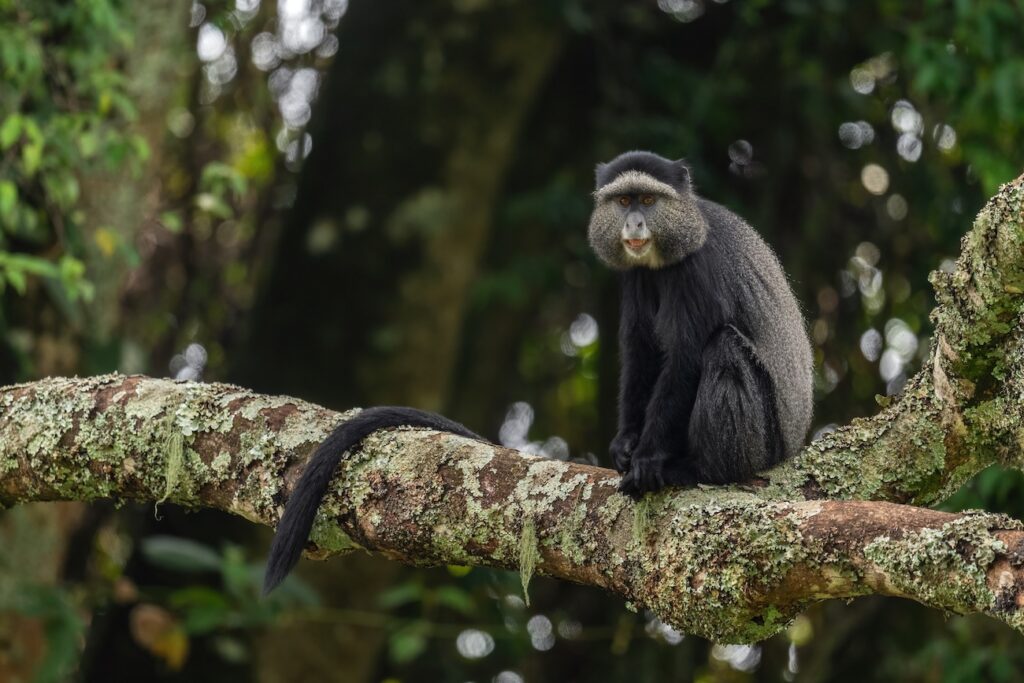
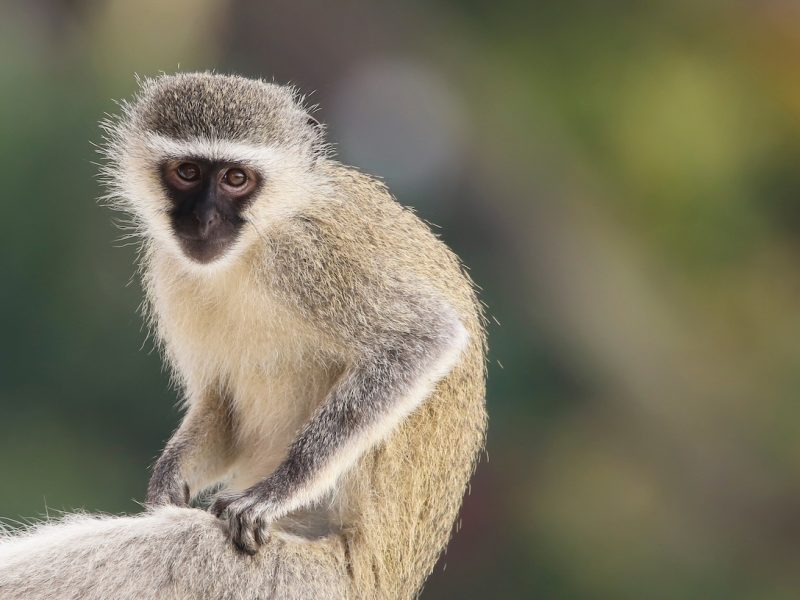
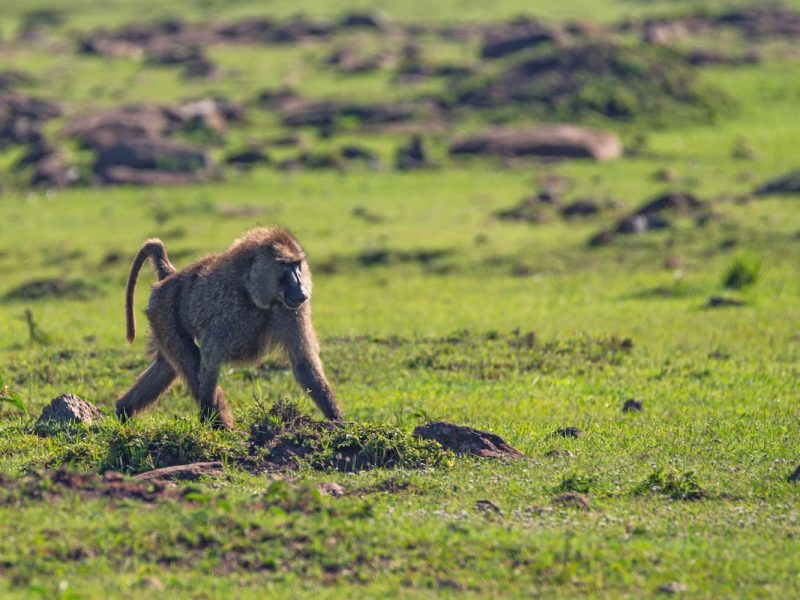
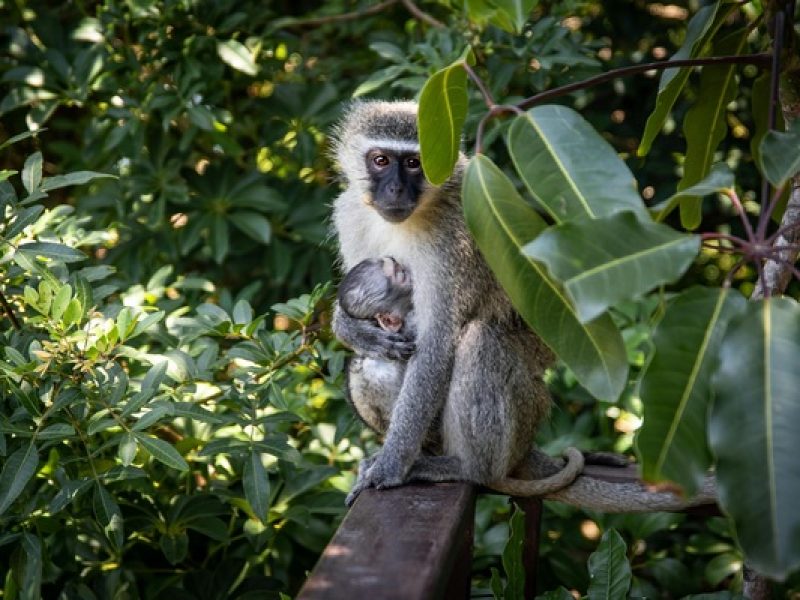
Beyond chimpanzees, Gombe National Park is home to several other primate species including red colobus monkeys, blue monkeys, vervet monkeys, and olive baboons. The park’s forest ecosystem also supports a variety of birds, butterflies, and small mammals, making it a rewarding destination for nature enthusiasts, researchers, and photographers alike.
With its pristine forest landscapes, panoramic views of Lake Tanganyika, and world-famous chimpanzee trekking experiences, Gombe National Park offers an intimate and unforgettable safari unlike anywhere else in Africa. For travelers seeking a deeper connection with wildlife and conservation, this hidden gem in western Tanzania delivers a truly extraordinary adventure.
Gombe National Park Tour Activities
Chimpanzee Trekking
Chimpanzee trekking is the highlight of visiting Gombe National Park. Accompanied by experienced guides, visitors hike through dense forest trails in search of chimpanzee families living in the park.
Once located, you can observe these fascinating primates as they feed, groom, and interact with one another in their natural environment. This close encounter with wild chimpanzees is one of the most memorable wildlife experiences in Tanzania.
Forest Hiking
Explore the scenic trails of Gombe National Park on guided forest hikes. The park’s landscape features steep hills, lush valleys, and beautiful streams flowing toward Lake Tanganyika.
Hiking allows visitors to discover the park’s diverse ecosystems while enjoying panoramic views and the peaceful sounds of the forest.
Bird Watching
The forests and lakeshore of Gombe National Park provide excellent opportunities for birdwatching.
The park hosts a wide range of colorful forest birds and lakeside species, making it a rewarding destination for both casual bird lovers and dedicated birders.
Lake Tanganyika Activities
After a day of trekking, visitors can relax along the shores of Lake Tanganyika, one of the world’s deepest and clearest lakes.
Activities such as swimming, kayaking, or simply enjoying the tranquil lakeside scenery provide a refreshing complement to the forest adventures.
Primate Watching
In addition to chimpanzees, visitors can encounter several other primate species while exploring the park.
Red colobus monkeys, blue monkeys, vervet monkeys, and olive baboons are commonly seen moving through the forest canopy or along the trails, adding excitement to every trek.
Best Time to Visit Gombe National Park
Dry season
From June to October, when forest trails are easier to navigate and chimpanzee trekking becomes more comfortable.
During this period, the vegetation is less dense and chimpanzee groups tend to stay closer to the lower slopes, increasing the chances of successful sightings. The pleasant weather and clearer paths make it an excellent time for hiking, wildlife observation, and photography.
The green season
From November to May, also offers a unique and beautiful experience in Gombe National Park.
The forest becomes lush and vibrant, with fresh vegetation covering the hills and valleys around Lake Tanganyika. This season is particularly rewarding for birdwatchers as migratory species arrive in the park.