
Ngorongoro Crater
Overview

Ngorongoro Crater, the largest unbroken caldera in the world and frequently referred to as the “eighth wonder of the world,” is one of the few places in Africa where you can see all five of the “big five” animals the rhinoceros, lion, cheetah, leopard, elephant, and buffalo on a single game drive.
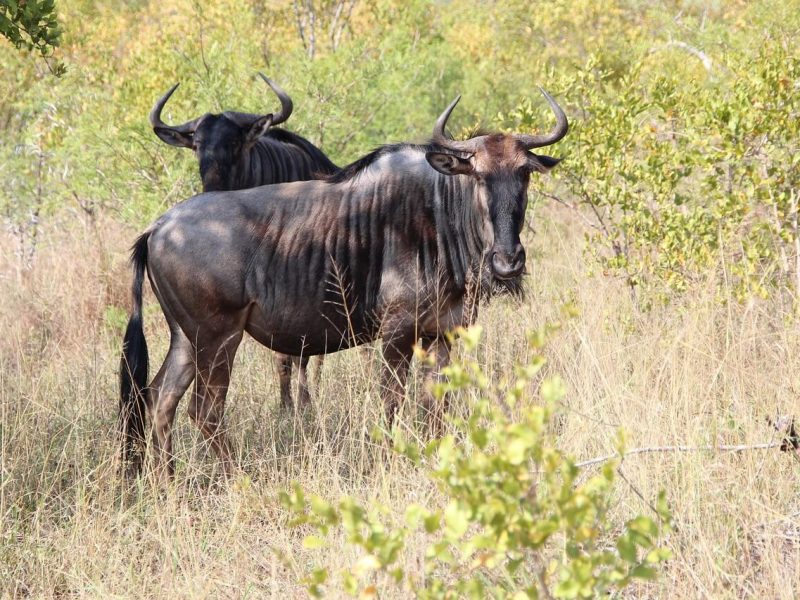
Ngorongoro Crater, which is 610 meters deep, 20 kilometres in diameter, and covers an area of 311 square kilometres, was once an active volcano, but its cone collapsed to create the crater. Unique to Ngorongoro, local Maasai graze their livestock on the crater floor in harmony with nearby herds of buffalo and wildebeest.Indigenous tribes are also allowed to live in the conservation area. Numerous wild game and bird species can be found in the crater.
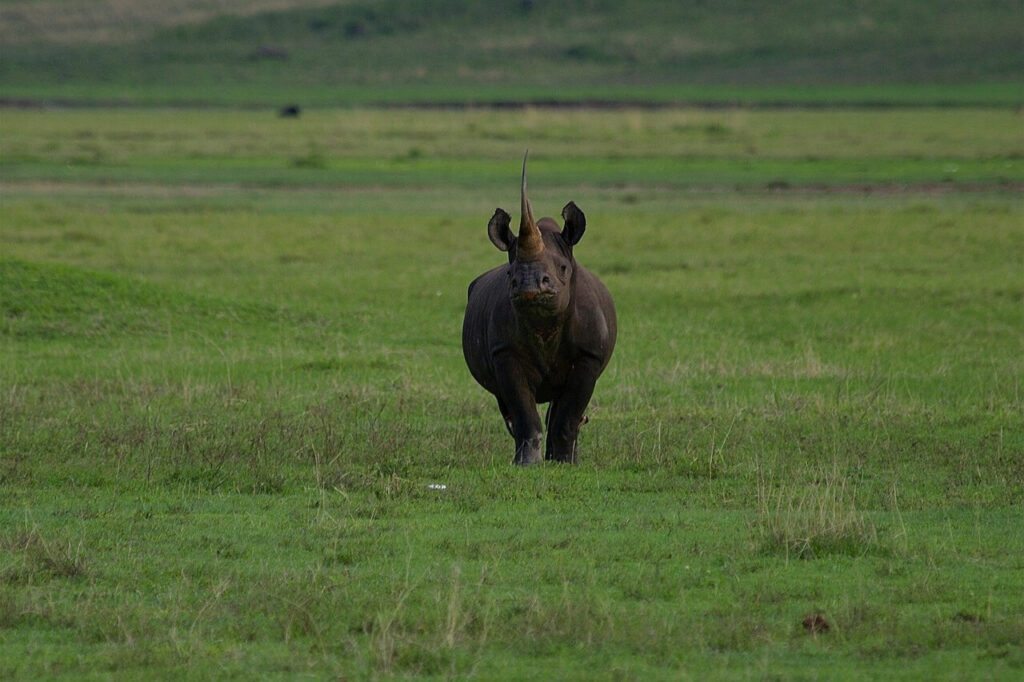
Nearly every species of African plains mammal with the exception of impala, topi, and giraffe lives in the crater, including the critically endangered black rhino and the continent’s densest population of predators. The majority of the crater elephants are bulls, which is strange. The bird population, which includes flamingos, is primarily seasonal and is influenced by Lake Magadi’s soda to fresh water ratio.
Grassland, swamps, lakes, rivers, woodlands, and mountains all intertwine on the crater floor. In a four-wheel drive car, you can drive down to the crater’s base. Any time of year is a good time to visit the crater because the majority of the animals live there year-round. Although overnight lodging is not permitted inside the crater, there is a campground and some lovely lodges on the rim that provide breathtaking views of the crater below. You must not miss this location. If you only have a day, you can travel there from Moshi or Arusha.
Ngorongoro Crater Tour Activities
Game Drives
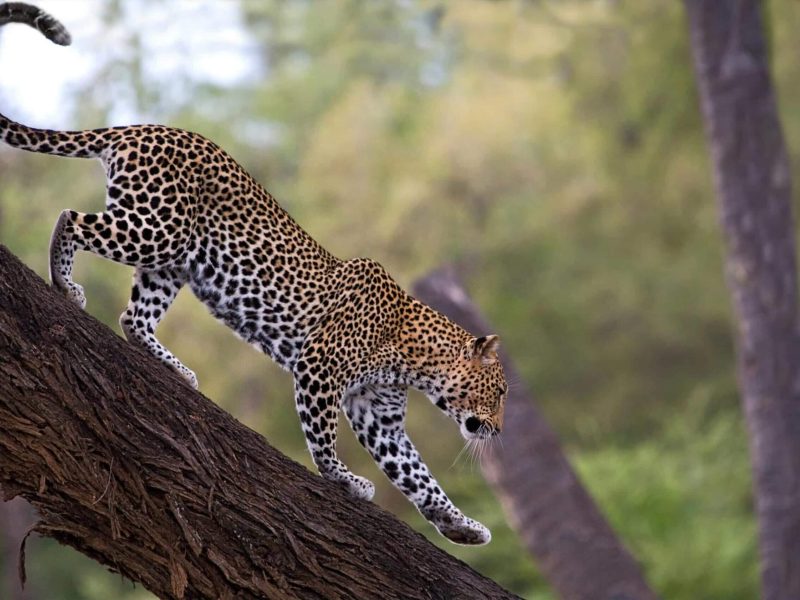
Game drives are the heart of the Serengeti experience. The park’s vast size means that each region offers a different atmosphere and wildlife focus. The central Seronera area is known for year-round game, especially large lion prides and leopards along riverine trees.
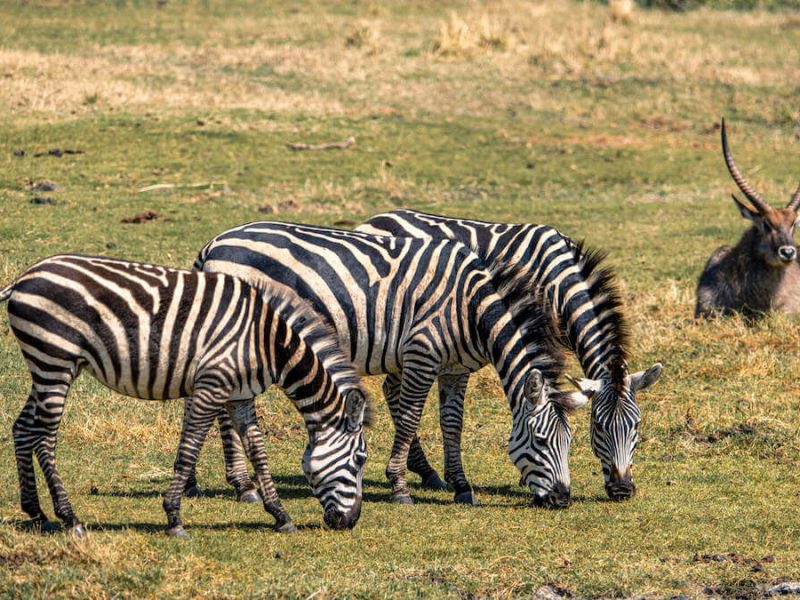
The western corridor is quieter and defined by the Grumeti River, where dramatic wildlife interactions occur during the migration season. In the north, near the Mara River, patient viewing may reward visitors with river crossings involving wildebeest, zebra, and crocodiles.
Wildlife photography
Ngorongoro offers outstanding photographic opportunities thanks to open landscapes, close-range wildlife encounters, and dramatic backdrops.
Early morning light on the crater floor is ideal for predator photography, while mist rising from the rim creates atmospheric wide shots. The density of animals means photographers can focus more on composition and behavior rather than long tracking drives.
Bird watching
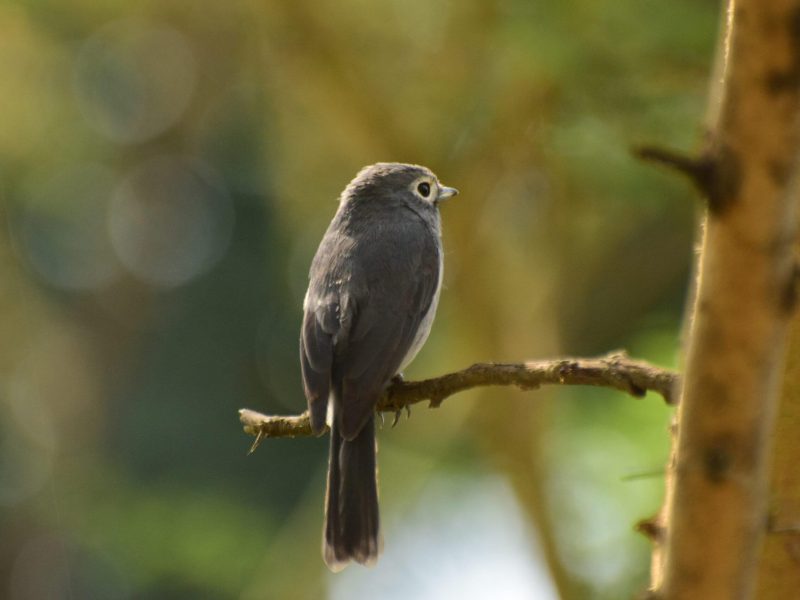
The crater is home to hundreds of bird species. Lake Magadi, a shallow soda lake at the center of the crater, attracts seasonal flocks of flamingos, along with pelicans, avocets, and other water birds.
Swamps and riverine areas host crowned cranes, storks, and numerous raptors. Birdlife changes with the seasons, making every visit slightly different.
Scenic viewpoints along the crater rim
Even before descending into the crater, the rim itself is an experience. Several viewpoints provide sweeping panoramas of the entire caldera, especially dramatic in the early morning or late afternoon when clouds drift below eye level.
Many lodges are positioned here, allowing guests to enjoy sunrise and sunset views without leaving their accommodation.
Cultural Activities
Within the wider Ngorongoro Conservation Area, visitors can learn about Maasai culture and traditional pastoral life. While cultural visits do not take place on the crater floor itself, nearby villages and designated areas offer meaningful insight into how people and wildlife coexist in this unique landscape.
Best Time to Visit Ngorongoro
Year-round destination
Ngorongoro Crater can be visited at any time of year because wildlife remains resident inside the caldera.
Unlike many other parks, animal movements here are not dependent on migration patterns, making sightings consistently strong.
Dry season (June to October)
This period is excellent for general wildlife viewing. Animals gather around permanent water sources, vegetation is shorter, and road conditions are at their best.
The northern Serengeti is especially popular from August to October for potential Mara River crossings. Days are warm, evenings cool, and skies are mostly clear.
Green season (November to May)
The landscape becomes lush and scenic after the rains, offering beautiful contrasts of green plains and dark crater walls. Birdlife is at its peak during this period, particularly from December to April when migratory species arrive.
Calving season for many herbivores also attracts predators, leading to dramatic wildlife interactions. Short rains usually fall in November and December, while heavier rains occur from March to May, though game drives are still possible.