
Tarangire National Park
Overview

An endless stream of tourists frequent the vast Tarangire National Park for the majority of the year. The reserve, which is close to Lake Manyara National Park, is easily reachable from Arusha; a two-hour drive along a paved road will get you there. The 2,850 square kilometer Tarangire National Park is made up of granitic ridges, a river valley, grasslands, and marshes.
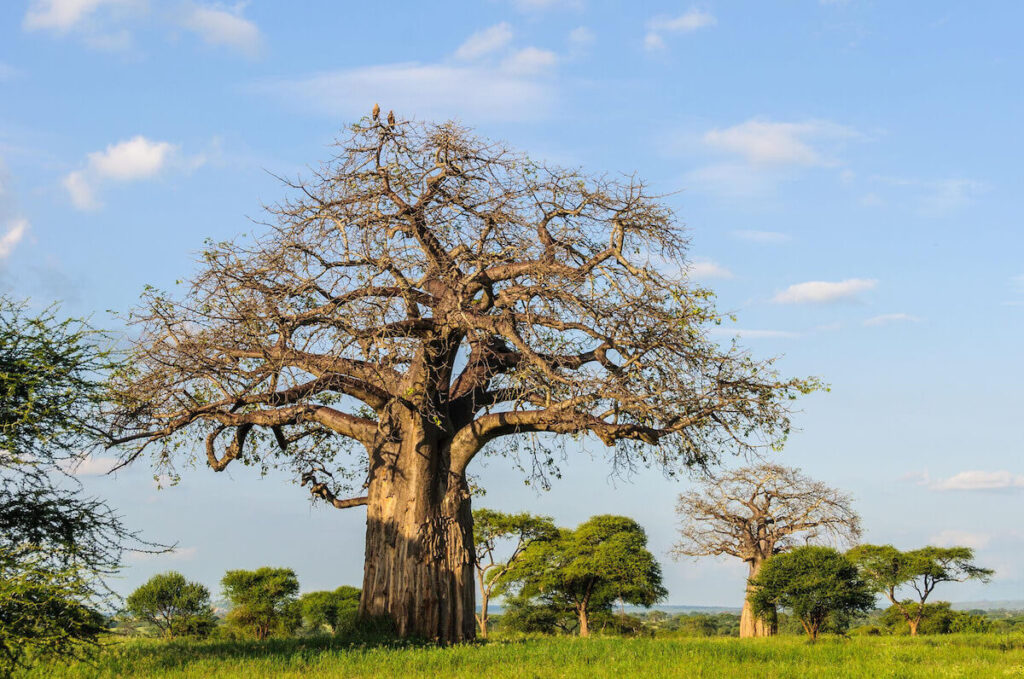
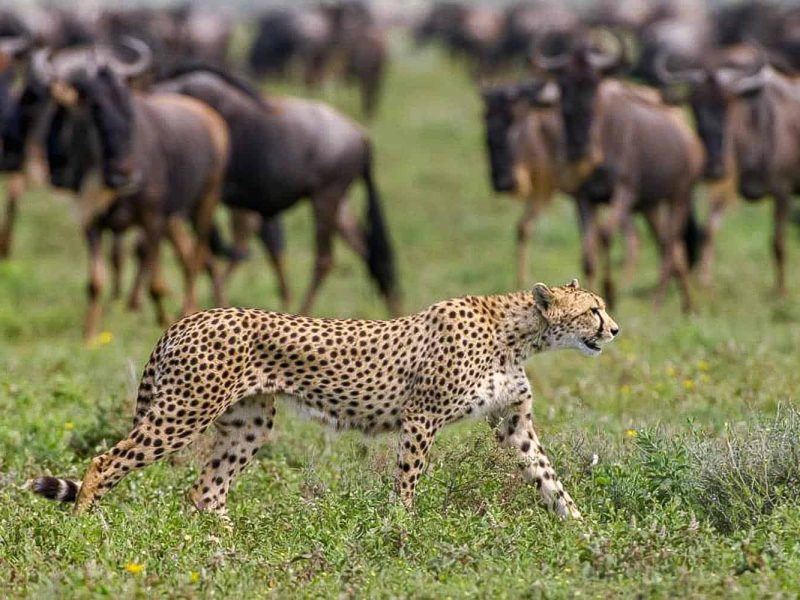
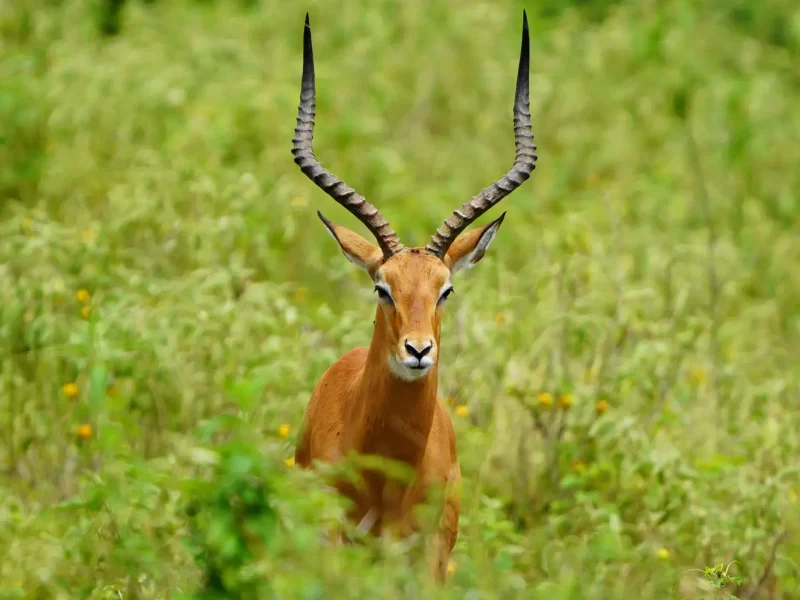
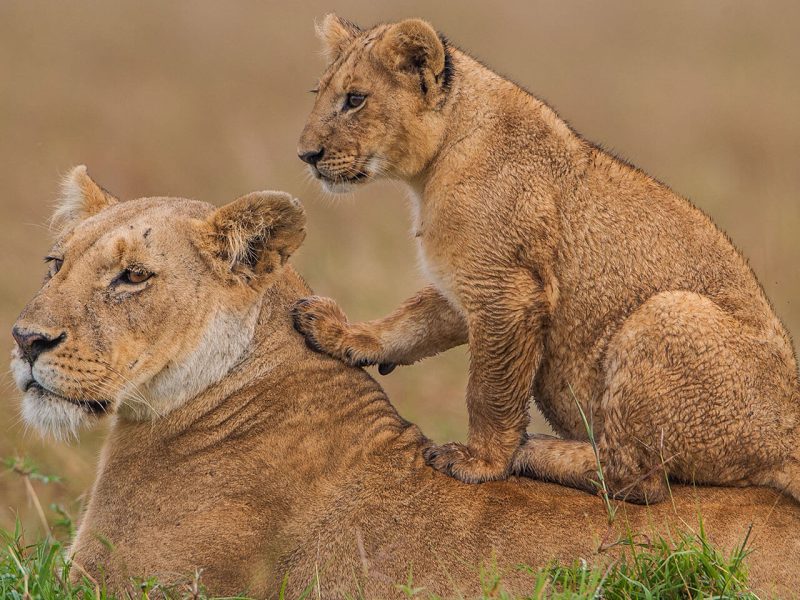
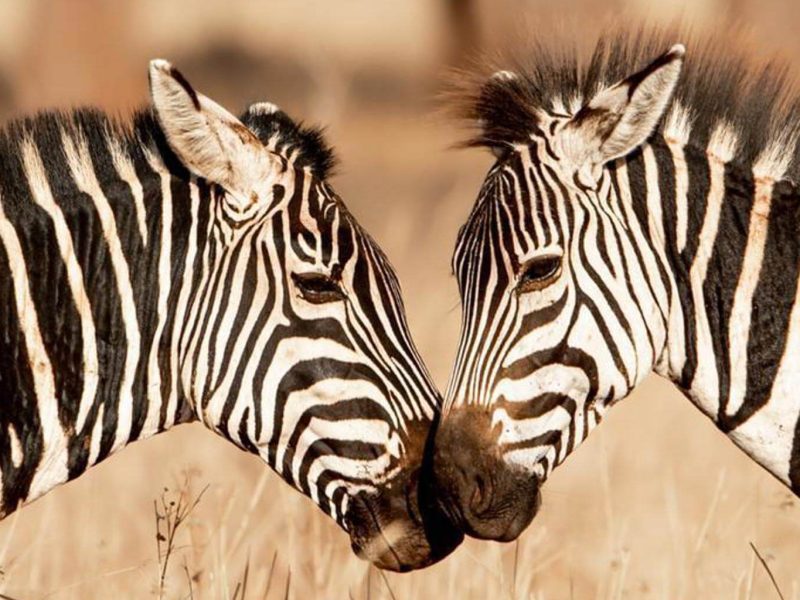
The reserve is traversed by its namesake river. The best times to visit are from January to March and from July to November. Visit Tarangire on a walking safari to see enormous baobab trees, elephant grass, acacia woodlands, overgrown termite mounds, and more. If you see herds of zebras, wildebeests, or cape buffalo traveling in search of better pastures, don’t be alarmed. Expect to see olive baboons, giraffes, impalas, gazelles, as well as other predators like the lion, leopard, and more.
With 550 different bird species, the reserve will keep you spellbound if you enjoy bird watching as a hobby. The fauna you’ll see, however, will depend on what time of year you go. At Kilimanjaro Vikings, Tarangire walking safaris are our area of expertise. We design and carry out safaris according to your precise requirements, guaranteeing a truly individualized experience. The tour guide you are traveling with was raised in the area and is extremely familiar with its geography.
He speaks your language, is fluent in first aid and customer service, and cheerfully attends to all of your needs. He will guide you through the viewing areas while looking out for your convenience and safety. His overarching goal is to make sure your safari is enjoyable and keeps you coming back for more. Due to our dedication to ensuring that travel is affordable for everyone, we provide reasonable prices. Just give us a call, and we’ll help you organize an unforgettable safari in Tarangire National Park.
Tarangire Tour Activities
Game Drives
Game drives in Tarangire are most rewarding around the Tarangire River, the park’s main permanent water source. During the dry months, wildlife concentrates here in large numbers.
Massive elephant herds, sometimes numbering in the hundreds, dominate the scene, while giraffes, zebras, wildebeest, and buffalo gather on the riverbanks. Predators such as lions and leopards are often found nearby, taking advantage of the constant animal traffic.
Walking safaris
Tarangire is one of the few parks in northern Tanzania where guided walking safaris are a core experience. On foot, the scale of the landscape becomes more personal.
Visitors learn to read animal tracks, understand the role of termite mounds in the ecosystem, and appreciate smaller details often missed from a vehicle. Encounters with wildlife are carefully managed, creating a safe yet deeply immersive experience.
Bird watching
With over 550 recorded bird species, Tarangire is one of Tanzania’s richest birding destinations. Open savannahs, wetlands, riverine forests, and seasonal swamps attract a wide variety of resident and migratory birds.
From large ostriches striding across the plains to colorful bee-eaters and raptors circling overhead, birding here is rewarding for both casual observers and serious enthusiasts.
Exploring baobab landscapes
Tarangire is famous for its ancient baobab trees, some of which are believed to be hundreds of years old.
These iconic giants dominate the skyline and create striking photographic opportunities, especially in the early morning or late afternoon light. Guides often share local stories and ecological insights about how these trees support wildlife during dry periods.
Best Time to Visit Tarangire
Dry season (July to November)
This is widely considered the best time to visit Tarangire. As water sources elsewhere dry up, animals gather along the Tarangire River, creating some of the highest wildlife densities in northern Tanzania.
Elephant sightings are exceptional during this period, and predators are frequently seen. Vegetation is sparse, making animals easier to spot and photography more rewarding.
Short dry period (January to March)
This period also offers good wildlife viewing, especially in open areas. The landscape is greener following the short rains, and migratory birds are still present.
Wildlife is more spread out than in peak dry months, but the park feels less crowded and more relaxed.
Green season (April to June)
Heavier rains transform Tarangire into a lush, green landscape. While some animals disperse outside the park, birdlife thrives, and the scenery is at its most dramatic.
This season suits travelers who prioritize photography, bird watching, and quieter safari experiences over large wildlife concentrations.