
Lake Manyara National Park
Overview

Ground-water forests, marshlands and reed beds, open grasslands, and acacia woodland are the five distinct vegetation zones that make up this relatively small park. A visitor may see elephants, buffalo, zebra, hippo, and curious lions, who frequently rest in trees, in a single day.
This park, which spans an area of 325 sq. km. and is protected by the vast Great Rift Valley escarpment, is a bright spot of green in an otherwise barren landscape.
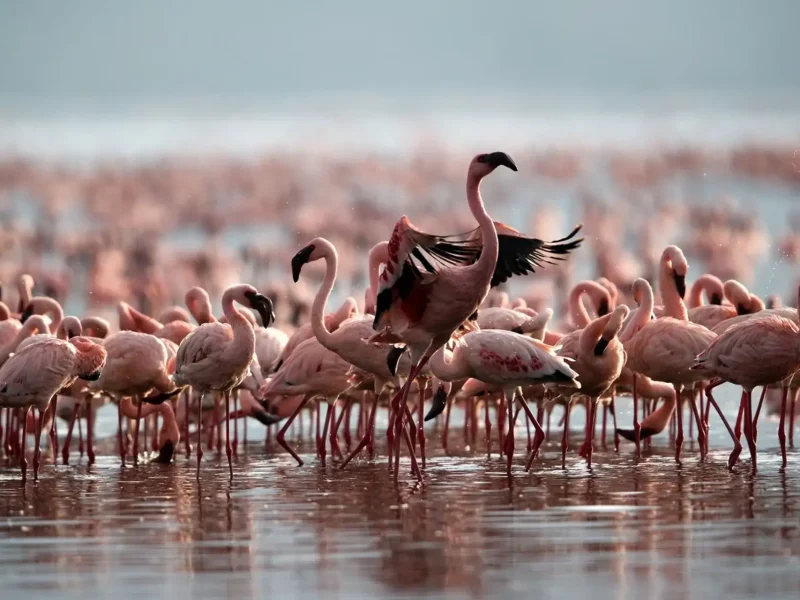
In a groundwater forest with more than 350 different bird species, the flamingo being the most numerous, live blue monkeys, baboons, and the curious-looking silver-cheeked hornbill. The lush vegetation is supported by a line of springs. This location is available as a one-day safari from Moshi/Arusha in addition to being a part of longer itineraries.
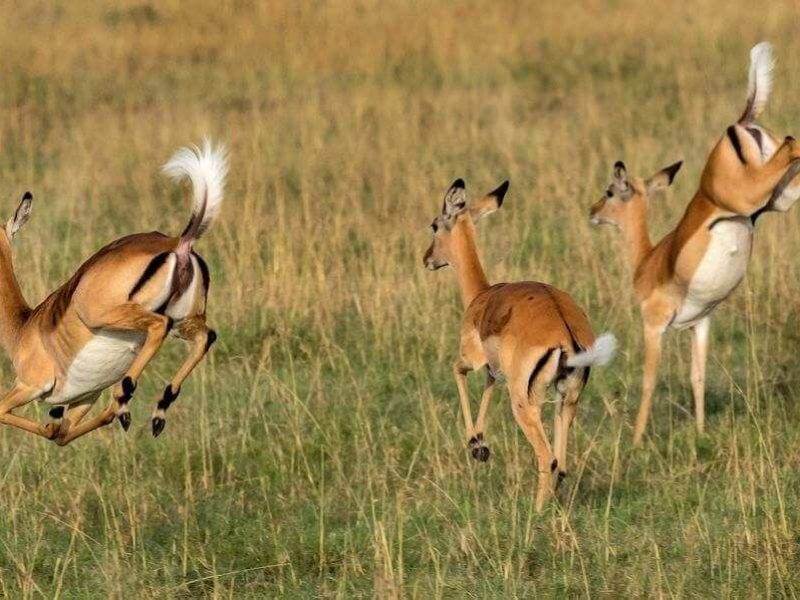
Lake Manyara Tour Activities
Game drives
Game drives in Lake Manyara are defined by constant changes in scenery. Within a short distance, you move from dense groundwater forest to open grasslands and lakeshore marshes.
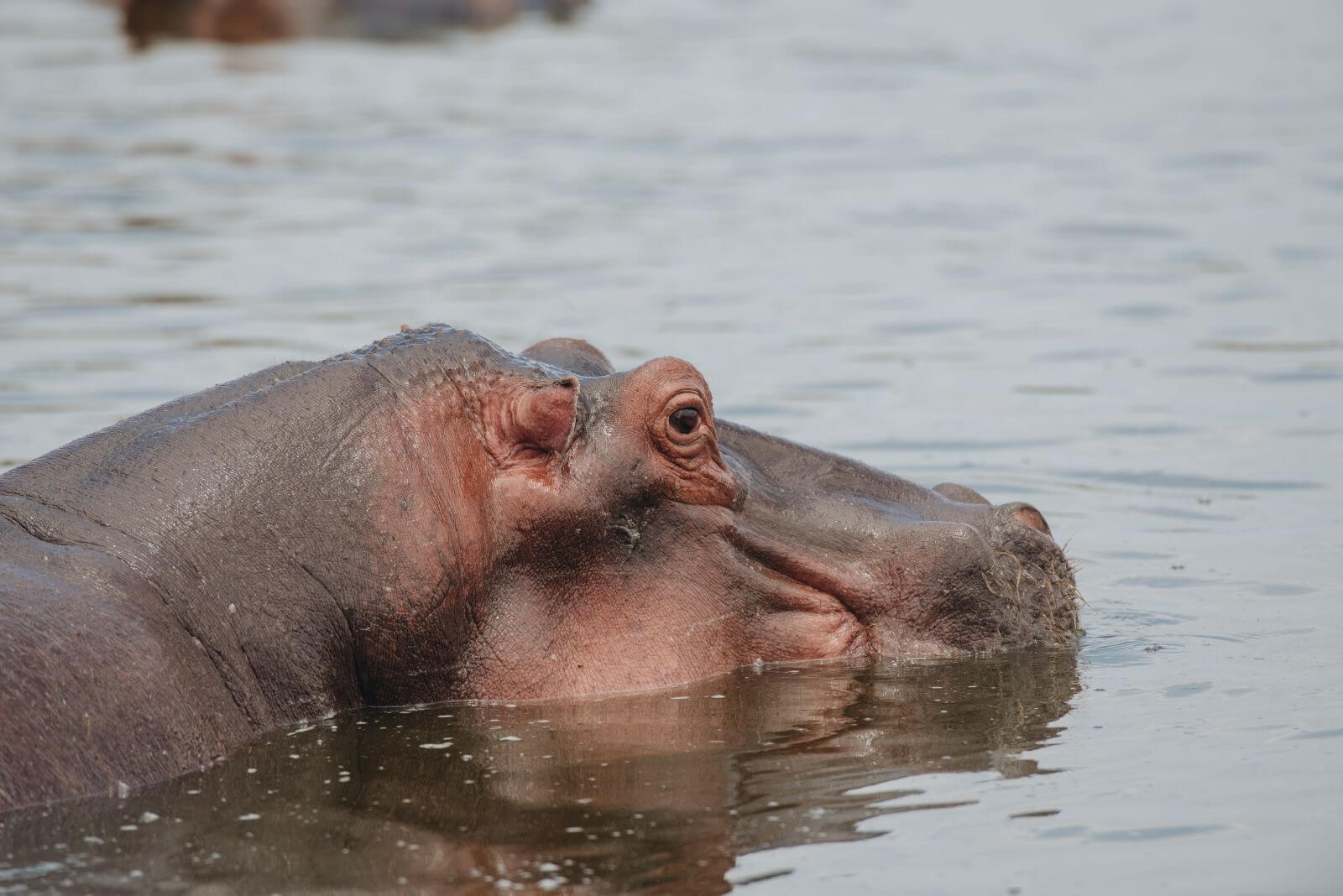
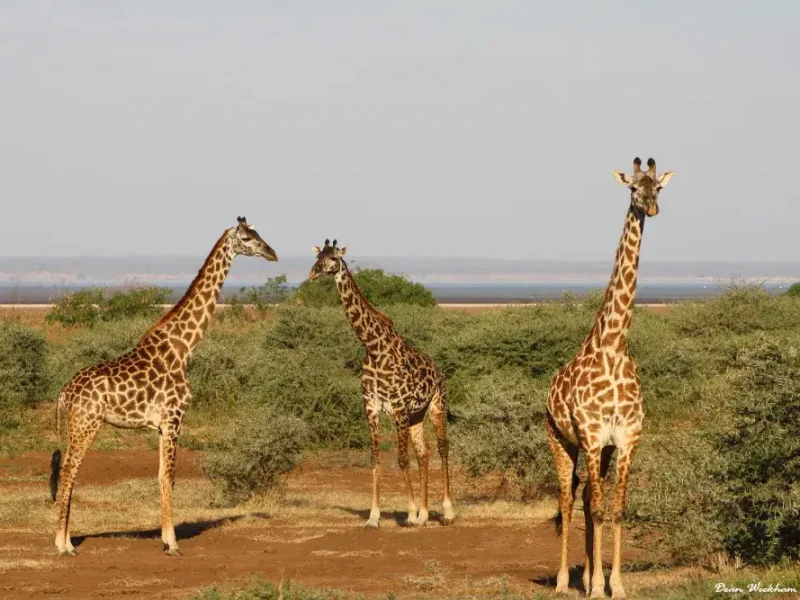
This variety allows you to see elephants moving through forested areas, buffalo grazing on open plains, hippos submerged in pools, and the park’s famous tree-climbing lions resting in acacia branches. The compact size of the park makes it possible to experience a wide range of wildlife in a single day.
Bird watching
With over 350 bird species recorded, Lake Manyara is one of Tanzania’s finest birding destinations. The alkaline lake attracts flamingos in varying numbers depending on water levels, while pelicans, storks, and herons gather in the marshes.
In the forest, visitors may spot hornbills, kingfishers, and forest-dwelling species. Bird activity is constant, making this park rewarding even outside peak wildlife seasons.
Guided walking safaris
Lake Manyara offers guided walks in designated areas, allowing visitors to explore the park on foot with an armed ranger. These walks focus on plant life, animal tracks, and smaller wildlife often overlooked during game drives. The groundwater forest, in particular, offers a peaceful and educational walking experience.
Cultural experiences
Outside the park, nearby villages provide opportunities to learn about local life and culture. These visits complement wildlife viewing by offering insight into how communities live alongside protected areas.
Best Time to Visit Lake Manyara
A flexible, year-round destination
Lake Manyara National Park can be visited throughout the year.
Its permanent water sources and diverse habitats support wildlife even during drier months, making it a reliable choice for short safaris and day trips.
Dry season (June to October)
This is the best time for general wildlife viewing. Animals are easier to spot as vegetation thins, and elephants are frequently seen moving through the forest.
Road conditions are excellent, making the park ideal for day trips from Arusha or Moshi.
Green season (November to June)
During the wetter months, the park transforms into a lush, green landscape. Birdlife peaks during this period, especially from December to April when migratory species are present.
Flamingo numbers vary depending on lake levels, and the scenery is particularly attractive for photography.