
Mkomazi National Park
Overview

Just south of Kenya’s border, in the shadow of the Pare Mountains, is Mkomazi National Park. Although Mkomazi’s dry savannah is one of the best places to bird watch in Northern Tanzania, it can be challenging to see game in some seasons.
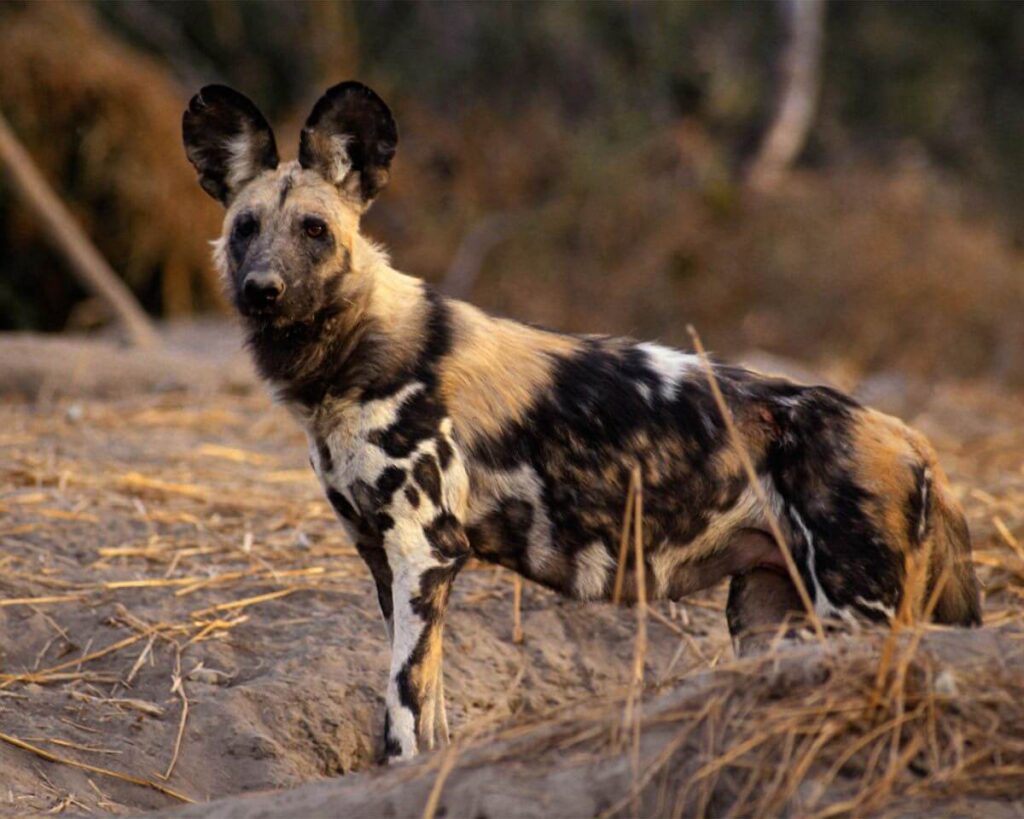
Even in the height of the safari season, there are more than 400 bird species and hardly any tourists or safari vehicles. The Mkomazi Rhino Project, a conservation initiative that is reintroducing black rhinos and African hunting dogs to the region, is based in the reserve.
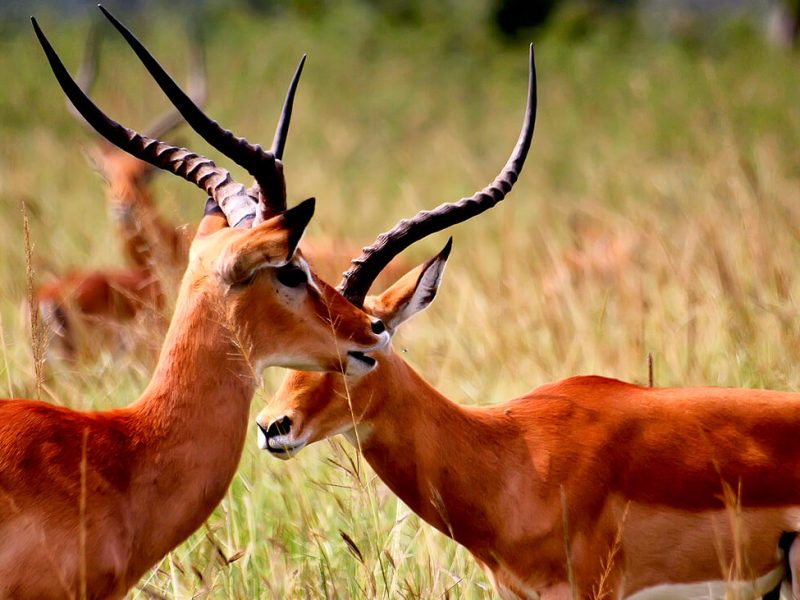
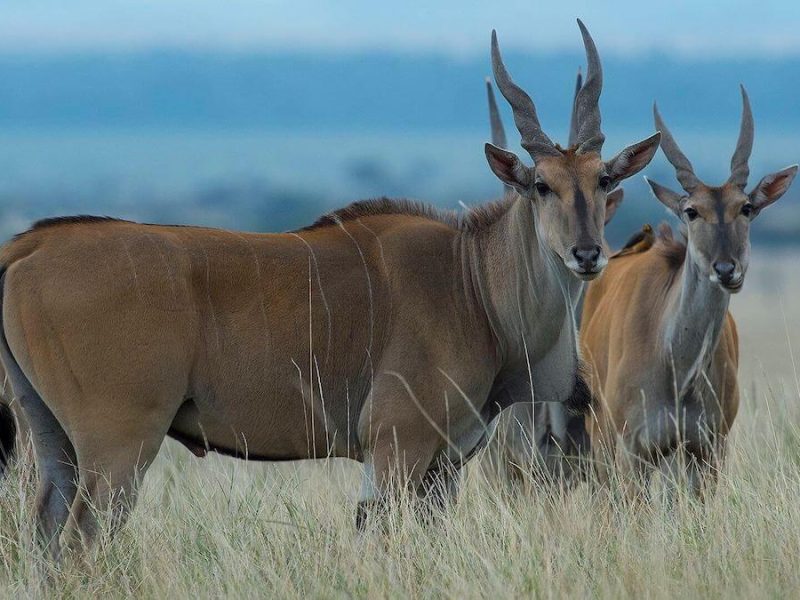
Highlights of the game include rhinos, hunting dogs, elephants, zebras, ostriches, and various antelope species. In Mkomazi, extended walking safaris lasting a few hours to a few days are possible.
It is a rarely visited park because it is situated in the opposite direction from the other Northern Circuit safari destinations (relative to Moshi and Arusha).
Mkomazi Tour Activities
Game Drives
Game drives in Mkomazi are about space, silence, and discovery rather than constant sightings. The open, semi-arid savannah makes for long views across the plains, with the Pare and Usambara Mountains forming a dramatic backdrop.
Wildlife sightings may require patience, but encounters with elephants, giraffes, zebras, antelopes, and ostriches feel especially rewarding because of the park’s low visitor numbers and untouched atmosphere.
Visiting the Mkomazi Rhino Sanctuary
One of the park’s most important attractions is the Mkomazi Rhino Sanctuary, a protected area dedicated to the conservation of the critically endangered black rhinoceros.
Guided visits provide insight into ongoing conservation efforts, anti-poaching measures, and the challenges of reintroducing rhinos into their natural habitat. African wild dogs have also been successfully reintroduced, making Mkomazi a rare place to learn about these conservation successes.
Walking safaris
Mkomazi is one of the few parks in northern Tanzania where extended walking safaris are possible. Accompanied by armed rangers, visitors can explore the landscape on foot for several hours or even multiple days.
Walking here emphasizes tracking skills, plant knowledge, and an understanding of animal behavior, offering a deeply immersive and educational experience for adventurous travelers.
Bird watching
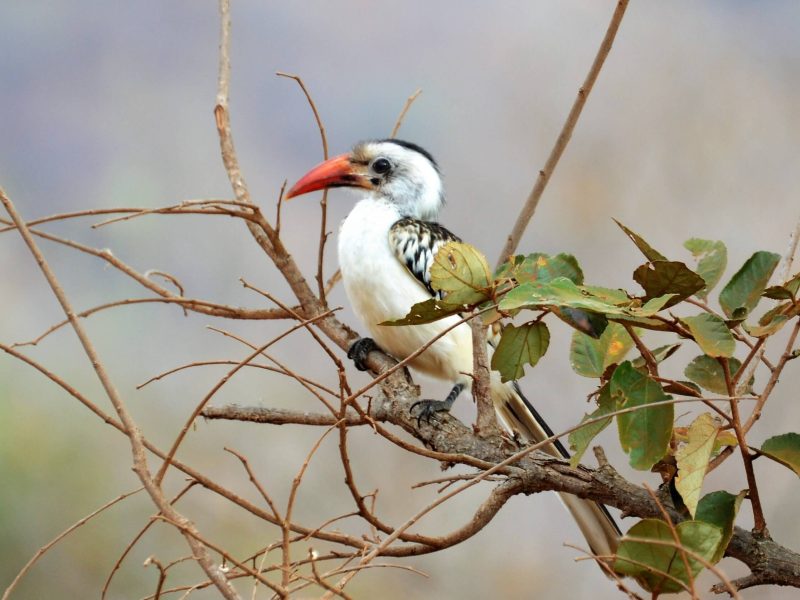
With more than 400 bird species recorded, Mkomazi is a standout destination for bird enthusiasts. Its dry savannah and acacia woodlands attract species rarely seen in wetter parks.
The open terrain makes spotting birds easier, and the absence of crowds allows for unhurried observation. Raptors, ground birds, and migratory species are particularly well represented.
Photography and landscape exploration
Mkomazi’s wide-open spaces, dramatic skies, and mountain views make it ideal for landscape and wildlife photography. The dry environment produces striking contrasts, especially in early morning and late afternoon light.
Photographers who appreciate minimalist compositions and remote settings will find Mkomazi especially rewarding.
Best Time to Visit Mkomazi
Dry season (June to October)
This is the best period for general wildlife viewing. Vegetation is sparse, making animals easier to spot, and wildlife tends to gather around limited water sources.
Walking safaris are more comfortable, and road conditions are generally good. Birdlife remains strong, especially for raptors.
Short dry season (January to February)
These months also offer favorable conditions for visits. The landscape is greener but still open, and wildlife viewing can be rewarding without the peak-season feel.
This period suits travelers seeking quieter safaris with good photographic light.
Green season (March to May)
Heavier rains transform the park into a lush environment, though some areas may be less accessible. While game viewing becomes more challenging, birdlife thrives, and the park’s scenery is at its most dramatic.
This season appeals to bird watchers, photographers, and travelers who value solitude over dense wildlife concentrations.