
Arusha National Park
Overview

The often overlooked Arusha National Park offers some of the most breathtaking scenery in Northern Tanzania. Arusha National Park includes Mount Meru, the second highest mountain in Tanzania and game highlights consist of giraffe, cape buffalo, elephant, zebra, flamingo and hippo.
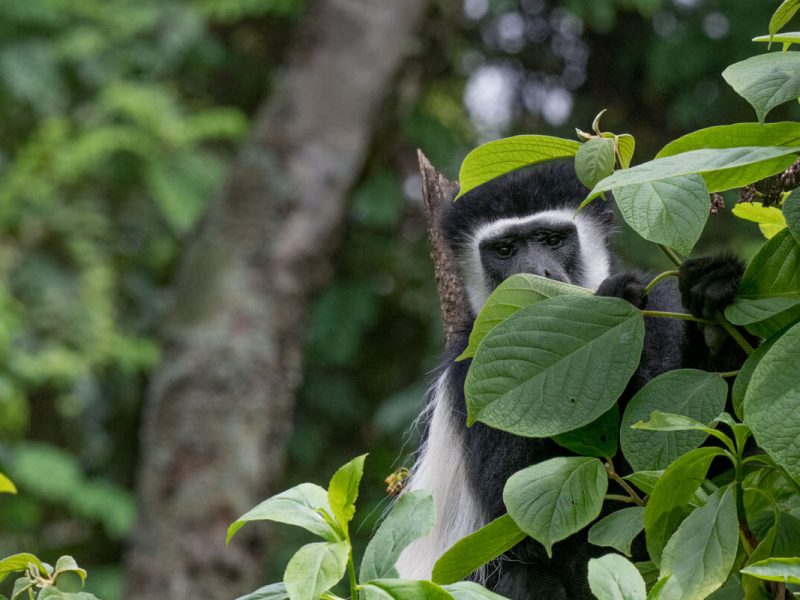
Several primate species including black and white colobus monkey, Syke’s monkey and vervet monkey thrive in the tropical forests. The patient ornithologist will be rewarded with the chance to spot elusive forest birds such as Hartlaub’s Turaco.
We can organize guided bush walks, too. This park has three distinct zones: Ngurdoto Crater (often called the ‘mini-Ngorongoro’); the shallow alkaline Momella Lakes fed by underground streams (upon which rest thousands of lesser and greater flamingos, and many migrant birds can be seen between May and October); and the densely forested slopes of Mount Meru (one of the rewarding mountains to climb in Africa and where, among other animal species, live blue monkeys and beautiful black and white colobus monkeys).
Other attractions in the park include the elephant, giraffe, buffalo, zebra, hippo, various antelopes, leopard and hyena. The park is 21 km from Arusha on the main Arusha to Moshi road. The location of this park makes for a great one-day safari from Moshi or Arusha.

Arusha Tour Activities
Game Drives
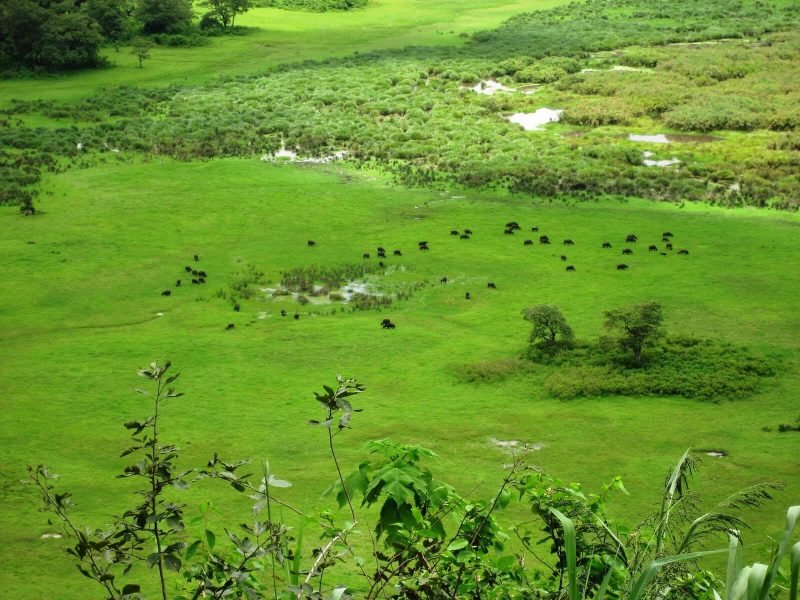
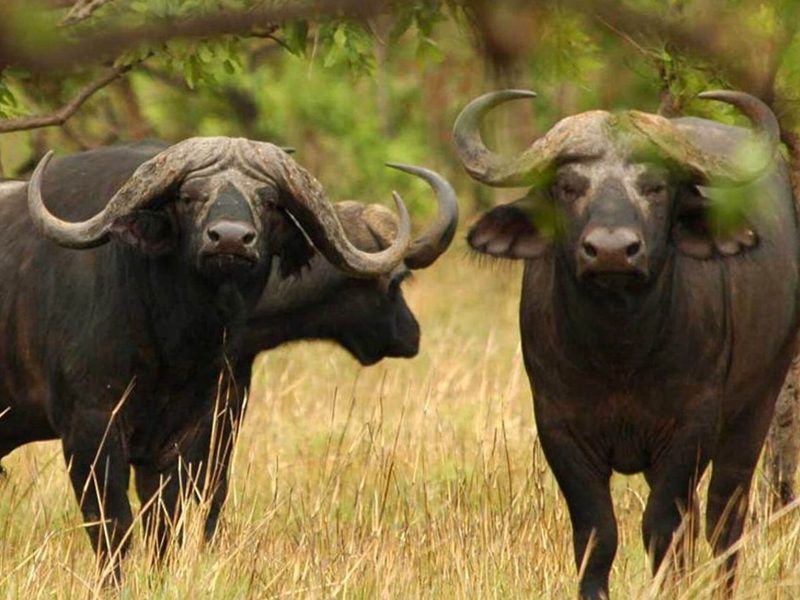
Game drives in Arusha National Park are defined by scenery rather than sheer animal density. Driving through open grasslands, montane forest, and lakeshore environments allows you to encounter giraffes moving elegantly across open plains, buffalo herds grazing quietly, and zebras scattered against the backdrop of Mount Meru. Although predators are more elusive here, the diversity of landscapes makes every drive visually rewarding.
Guided walking safaris
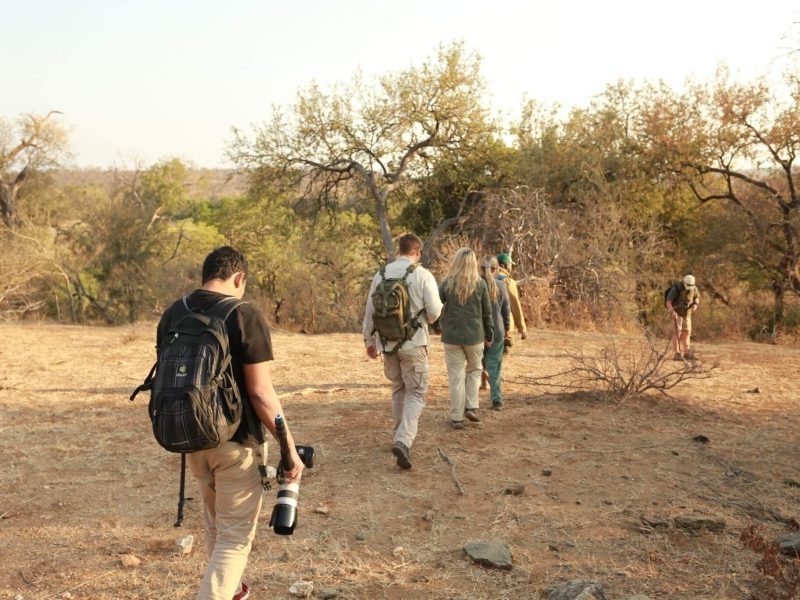
One of the park’s standout experiences is the guided bush walk, offered with an armed ranger. Walking safaris allow you to explore the forest and open areas on foot, observing wildlife at a slower, more intimate pace.
You may encounter giraffes, warthogs, buffalo, and a wide variety of birdlife, while learning about animal tracks, plants, and the ecosystem in detail. Few parks in Tanzania offer walking safaris as safely and consistently as Arusha National Park.
Canoeing on the Momella Lakes
Canoe safaris on the Momella Lakes offer a peaceful and unique perspective. Gliding silently along the water brings you close to flamingos, pelicans, and other water birds, while giraffes and buffalo may be seen along the shoreline. This activity is ideal for travelers seeking a gentle, scenic experience rather than a traditional game drive.
Bird watching
With more than 400 recorded bird species, Arusha National Park is a rewarding destination for bird lovers. Forest species such as Hartlaub’s turaco are often heard before they are seen, while open areas and lakes attract water birds and raptors. Migratory birds are especially visible between May and October, making this period particularly attractive for dedicated ornithologists.
Mount Meru trekking
For adventurous travelers, Mount Meru offers one of Africa’s most scenic mountain climbs. Routes pass through forest zones inhabited by colobus and blue monkeys before reaching alpine landscapes with sweeping views toward Mount Kilimanjaro.
Even visitors not attempting the full climb can enjoy shorter nature walks on the lower slopes.
Best Time to Visit Arusha
A year-round park
Arusha National Park can be visited throughout the year due to its proximity to Arusha and reliable road access.
Wildlife does not migrate far, and activities such as walking safaris and canoeing are available in most seasons.
Dry season (June to October)
This is generally the best time for clear views and comfortable exploration.
Vegetation is thinner, making animals easier to spot, and Mount Meru is often visible in crisp morning light. Trails are drier, which is ideal for walking safaris and hiking activities.
Green season (November to May)
The park becomes lush and vibrant after the rains, with forests at their most beautiful. Birdlife is at its peak during this period, particularly from December to April when migratory species are present.
Short rains usually fall in November and December, while heavier rains occur between March and May, though visits remain enjoyable.