
Lake Nakuru National Park
Overview

Lake Nakuru National Park is one of Kenya’s most celebrated wildlife sanctuaries, set within the dramatic landscapes of the Great Rift Valley. The park surrounds a shallow alkaline lake whose shimmering waters attract vast numbers of birds and create a constantly changing natural spectacle.
Encircled by wooded grasslands, acacia forests, rocky escarpments, and rolling hills, Lake Nakuru offers a rich safari experience within a relatively compact and easily accessible area.
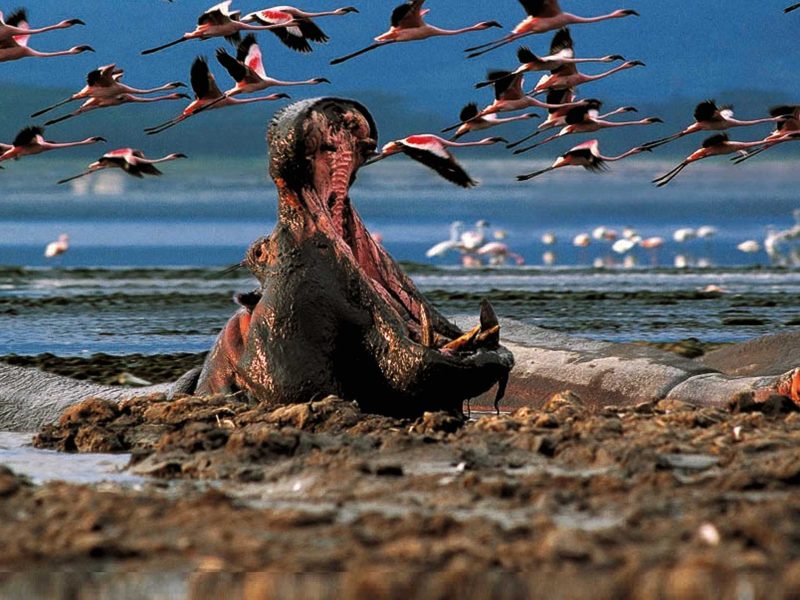
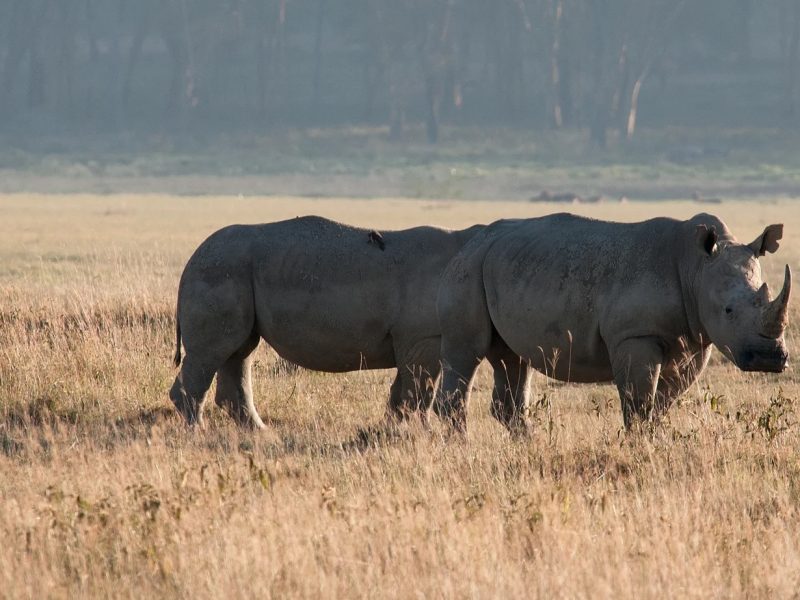
The park gained global recognition for its flamingos, which at times gather in extraordinary numbers along the lake’s shores, forming a striking pink ribbon across the water. While flamingo populations fluctuate with water and food conditions, Lake Nakuru remains one of Africa’s most important birding destinations. Beyond birds, the park plays a critical role in wildlife conservation, particularly as a sanctuary for both black and white rhinos, making it one of the most reliable places in Kenya to see these endangered animals.
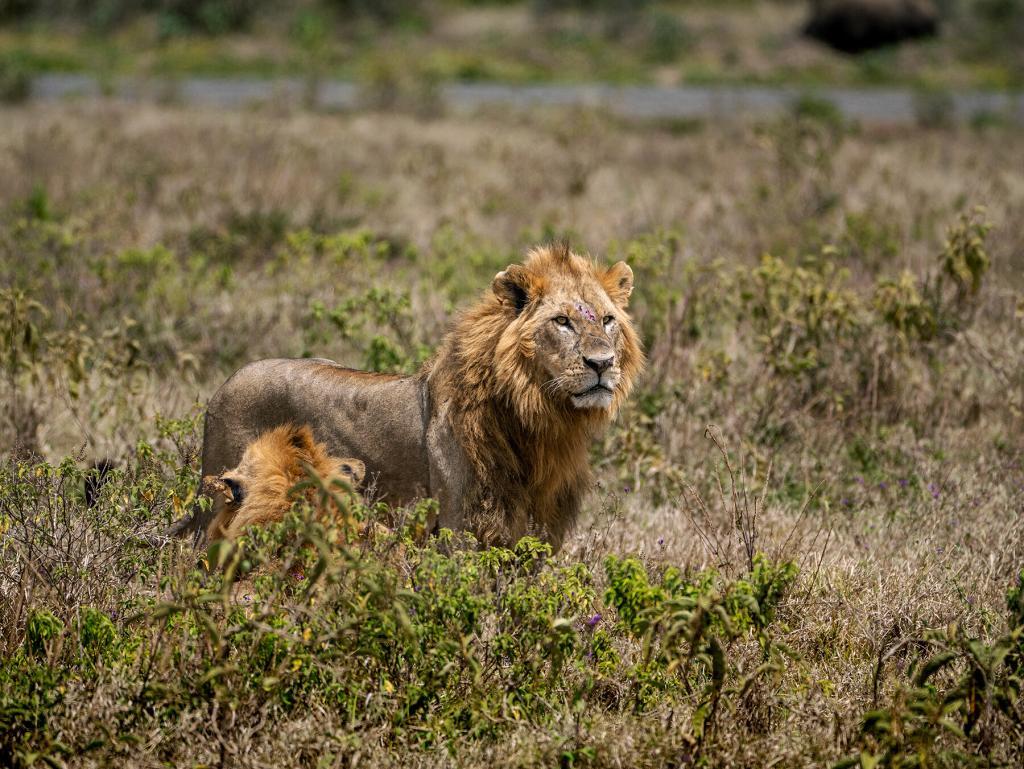
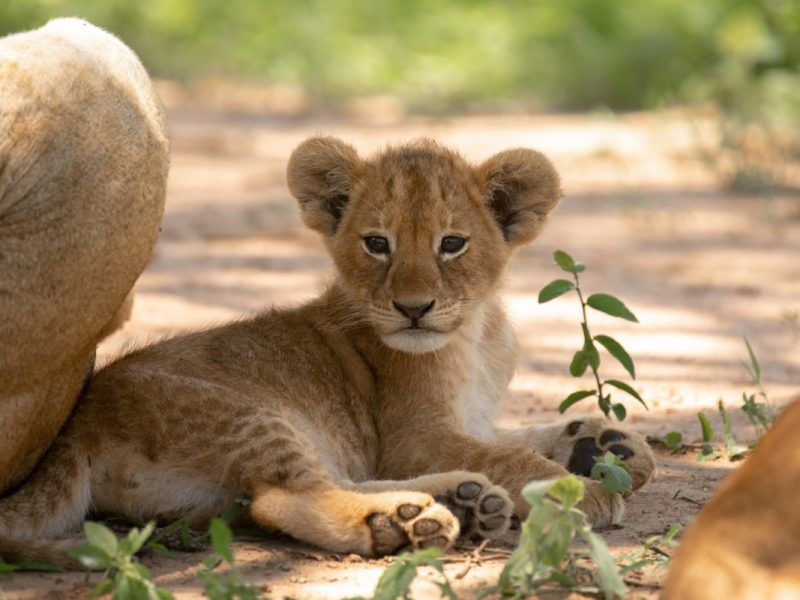
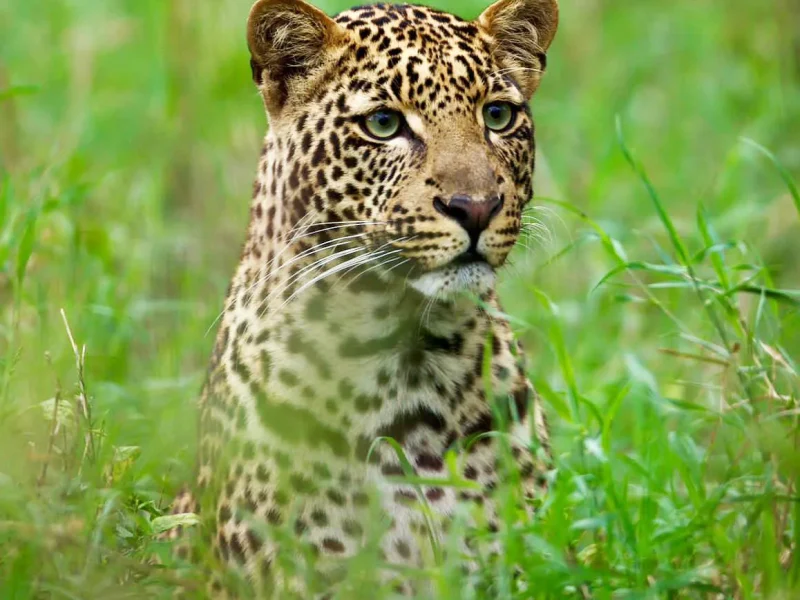
Large mammals such as buffaloes, waterbucks, and Rothschild’s giraffes roam the grasslands, while predators including lions and leopards are often seen resting in trees or moving quietly through wooded areas. The diversity of habitats within the park supports a wide range of species and ensures rewarding game viewing throughout the year.
Lake Nakuru National Park Tour Activities
Game Drives
Game drives in Lake Nakuru National Park are ideal for travelers seeking close and varied wildlife encounters in a short time.
The well-maintained road network allows access to open plains, wooded areas, and lakeshore zones. Rhino sightings are frequent, and patient observation often rewards visitors with views of lions, leopards, and grazing giraffes.
Early morning and late afternoon drives provide the best light and animal activity, enhancing both viewing and photography.
Bird Watching
Lake Nakuru is internationally recognized for its birdlife, with over 400 recorded species. Flamingos remain the park’s most iconic attraction, joined by pelicans, cormorants, herons, fish eagles, and many migratory species.
Bird watching can be enjoyed from viewpoints, along the lakeshore, or during slow-paced game drives, making it accessible even to casual bird enthusiasts.
Rhino Conservation Experience
As a protected rhino sanctuary, Lake Nakuru offers visitors a rare opportunity to observe both black and white rhinos in a secure environment.
Guides often share insights into conservation efforts, anti-poaching measures, and breeding programs that have helped stabilize rhino populations. This educational element adds depth and meaning to the safari experience.
Scenic Viewpoints & Photography
The park features several elevated viewpoints overlooking the lake and surrounding Rift Valley landscapes.
These stops provide panoramic vistas ideal for photography, especially during sunrise and sunset when colors reflect across the water and wildlife silhouettes the horizon.
The contrast between lake, forest, and escarpment creates striking visual compositions.
Nature Appreciation & Landscape Exploration
Beyond big game, Lake Nakuru invites travelers to appreciate its varied ecosystems. Slow drives and quiet moments reveal smaller mammals, reptiles, and diverse plant life.
The blend of lake, woodland, and grassland habitats offers a peaceful and immersive way to connect with nature.
Best Time to Visit Lake Nakuru National Park
Dry Season
Lake Nakuru can be visited throughout the year, but the best overall safari conditions are during the dry seasons from June to October and January to February. During these months, wildlife is easier to spot, roads are in excellent condition, and visibility is at its best.
Wet seasons
The wet seasons (March–May and November) transform the park into a lush green landscape and attract migratory birds. While wildlife remains present, bird watching is especially rewarding during this period, and the park feels quieter and more scenic.