
Maasai Mara Game Reserve
Overview

The Maasai Mara Game Reserve is Kenya’s most celebrated wildlife sanctuary and one of Africa’s most iconic safari destinations. Situated in southwestern Kenya along the border with Tanzania, the reserve forms the northern extension of the greater Serengeti–Mara ecosystem, allowing wildlife to move freely across international boundaries. Covering approximately 1,510 square kilometers, the Maasai Mara is defined by sweeping open plains, rolling grasslands, acacia-dotted savannahs, riverine forests, and the life-giving Mara and Talek rivers.
The reserve takes its name from the Maasai people, the traditional custodians of this land, whose pastoral culture remains closely linked to the region’s identity, and from the Mara River, meaning “spotted” in the Maasai language—a reference to the scattered acacia trees that dot the landscape. This unique environment supports exceptionally high densities of wildlife throughout the year, making the Maasai Mara one of the most reliable destinations in Africa for game viewing.
The Maasai Mara is internationally renowned for hosting the northern stage of the Great Wildebeest Migration, when millions of wildebeest and zebras arrive from Tanzania’s Serengeti between July and October. During this period, dramatic river crossings across the crocodile-filled Mara River create some of the most powerful wildlife scenes on Earth. Yet even outside the migration months, the reserve remains rich in resident wildlife, including large lion prides, cheetahs, leopards, elephants, buffalo, and rhinos.
Beyond wildlife, the Maasai Mara offers classic safari scenery and a deep sense of continuity—predators hunt as they have for millennia, herds follow ancient grazing routes, and seasonal rains dictate the rhythm of life. Easily accessible by road or light aircraft from Nairobi, the reserve combines accessibility with extraordinary natural abundance.
Whether visited during migration season or at quieter times of the year, the Maasai Mara delivers an authentic, high-impact safari experience that captures the essence of East Africa’s wild landscapes and enduring ecological balance.
Maasai Mara Tour Activities
Game Drives
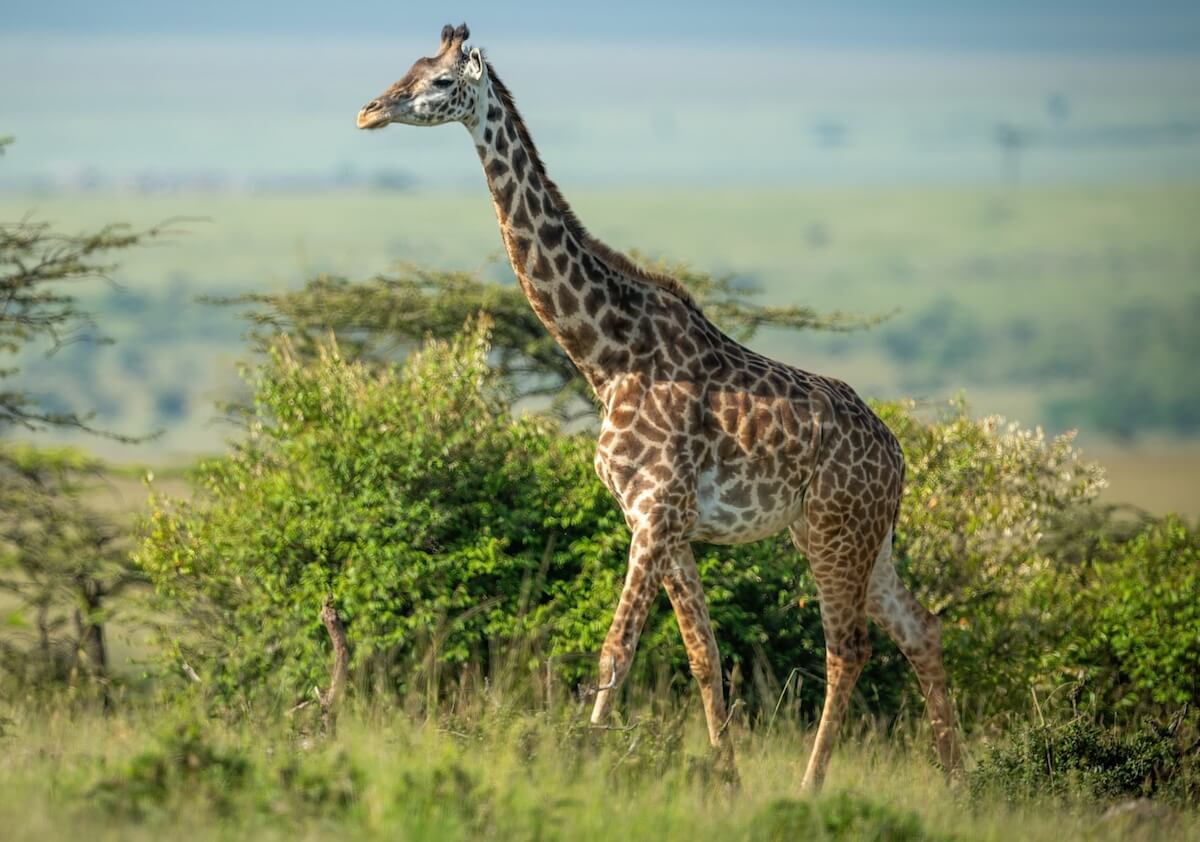
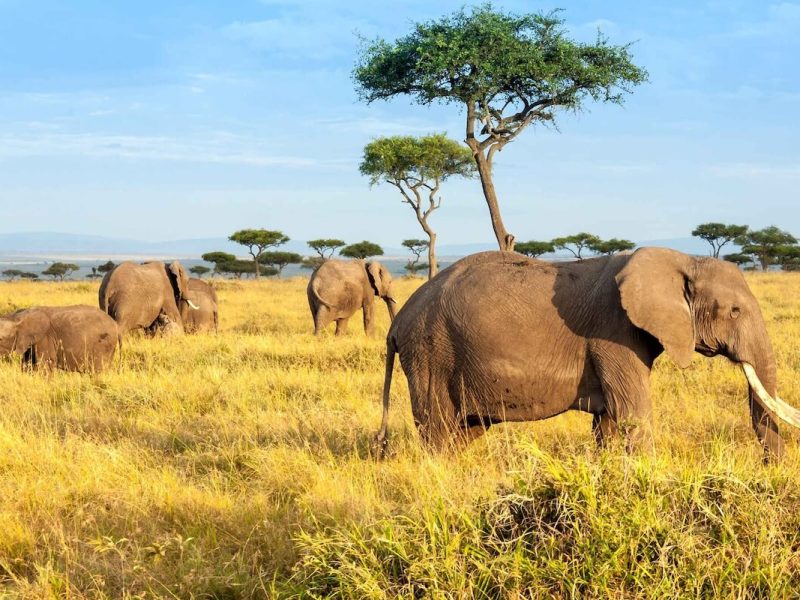
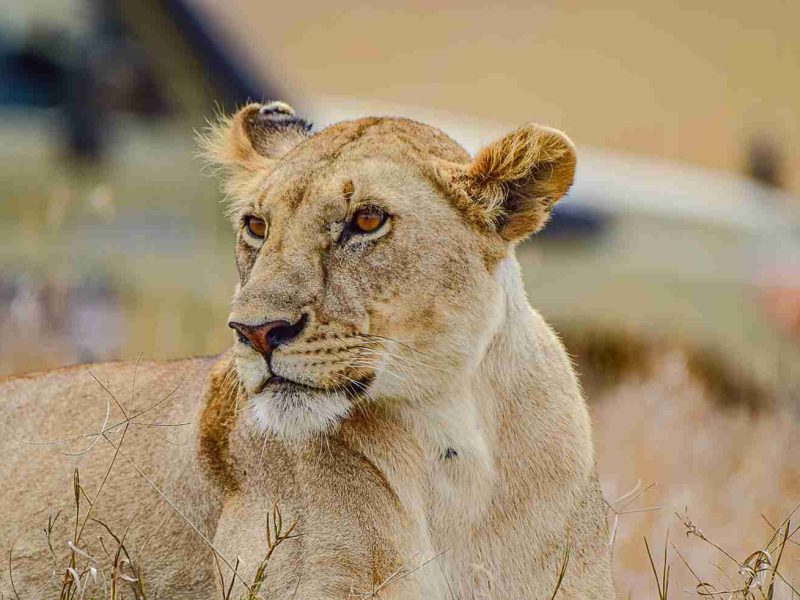
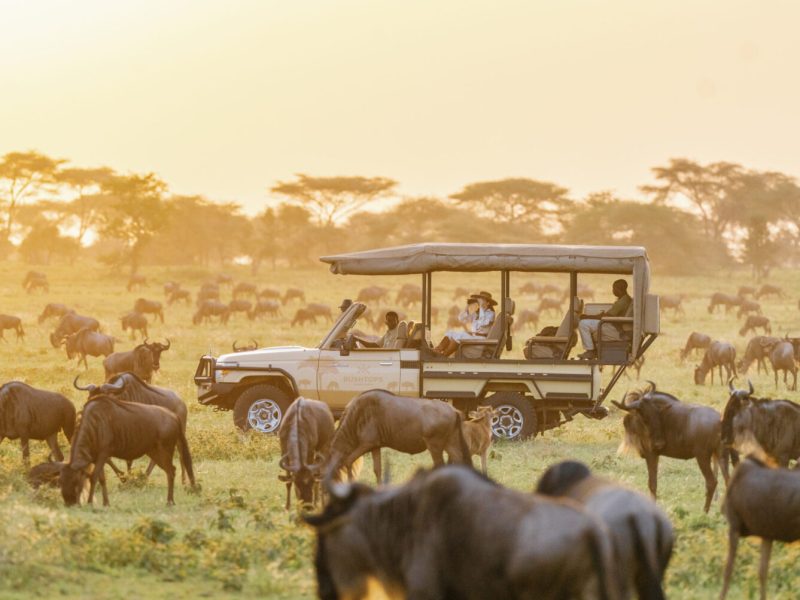
Game drives are the foundation of the Maasai Mara safari experience and deliver some of the most consistent wildlife viewing in Africa. The open savannah and gently rolling terrain provide excellent visibility, making it easier to spot wildlife at close range. Large resident populations of lions, cheetahs, and leopards ensure year-round predator sightings, while elephants, buffalo, giraffes, zebras, and numerous antelope species roam the plains in abundance.
Early morning and late afternoon drives are particularly rewarding, when predators are active and the light is ideal for photography. During the migration season, game drives often focus on tracking large herds and positioning vehicles near river crossing points along the Mara River, where dramatic wildlife interactions may unfold.
Great Wildebeest Migration
The Maasai Mara is world-famous for hosting the northern phase of the Great Migration. From approximately July to October, vast herds of wildebeest and zebras arrive from the Serengeti, spreading across the Mara’s grasslands. The highlight of this period is the Mara River crossings, where animals brave strong currents and crocodile-infested waters.
Migration viewing in the Mara is unpredictable and thrilling—some days involve patient waiting, while others deliver sudden, intense action. Even when crossings do not occur, the sheer number of animals on the plains creates an unforgettable spectacle and attracts large numbers of predators.
Hot air balloon safaris
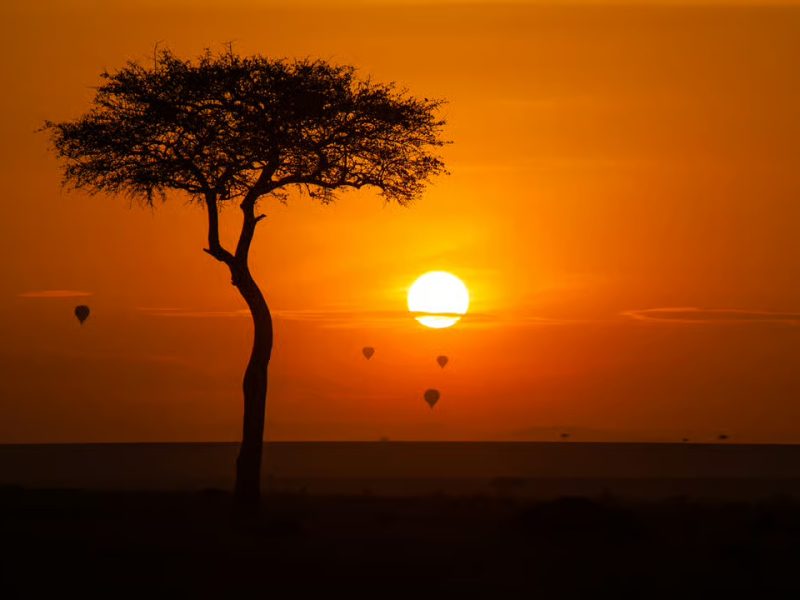
Hot air balloon safaris offer a unique and serene way to experience the Maasai Mara. Launching at sunrise, the balloon drifts silently above the plains, providing panoramic views of wildlife, rivers, and acacia woodlands below. From the air, guests can appreciate the scale of the ecosystem and observe animal movements that are impossible to see from the ground.
The experience typically concludes with a champagne bush breakfast served in the open savannah, making it a memorable highlight of any Maasai Mara safari, particularly during the migration season.
Cultural Visits
Cultural visits to Maasai villages provide insight into the traditions, daily life, and pastoral heritage of the Maasai people. Guests learn about traditional housing, livestock practices, beadwork, and ceremonial customs, gaining a deeper understanding of the cultural landscape surrounding the reserve.
When conducted responsibly, these visits support local communities and add meaningful cultural context to the wildlife experience.
Bird Watching
With more than 470 recorded bird species, the Maasai Mara is a rewarding destination for bird enthusiasts. The reserve’s varied habitats—grasslands, riverine forests, and wetlands—support a wide range of species, including raptors, water birds, and migratory species.
Bird watching is excellent year-round, but particularly strong during the green season when migratory birds arrive. From large birds such as ostriches and secretary birds to colorful rollers and bee-eaters, the diversity adds another layer of richness to the safari experience.
Best Time to Visit Maasai Mara Game Reserve
Dry Season & Migration
This is the most popular time to visit the Maasai Mara.
Wildlife viewing is excellent, vegetation is short, and the Great Migration is usually present. Expect higher visitor numbers, especially around river crossing points.
Shoulder Seasons (January to March & November)
These periods offer excellent wildlife viewing with fewer crowds.
The landscape is greener, photography is beautiful, and predator sightings remain strong.
Green Season (April to June)
Long rains transform the Mara into a lush landscape. While some areas may be muddy, wildlife remains abundant, birdlife peaks, and visitor numbers are lower.
This season suits photographers and travelers seeking a quieter experience.