Nyerere National Park
Overview

Formerly part of the Selous Game Reserve, Nyerere National Park is Africa’s largest national park and one of Tanzania’s most pristine wilderness areas. Located in southern Tanzania and covering more than 30,000 square kilometers, the park is defined by its vast scale, low visitor density, and strong conservation focus. It offers a safari experience that feels raw, remote, and deeply authentic.
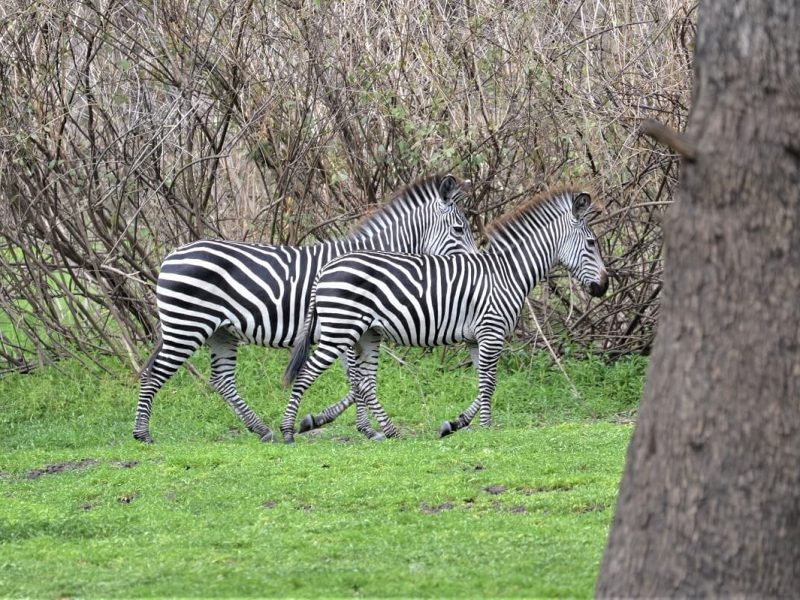
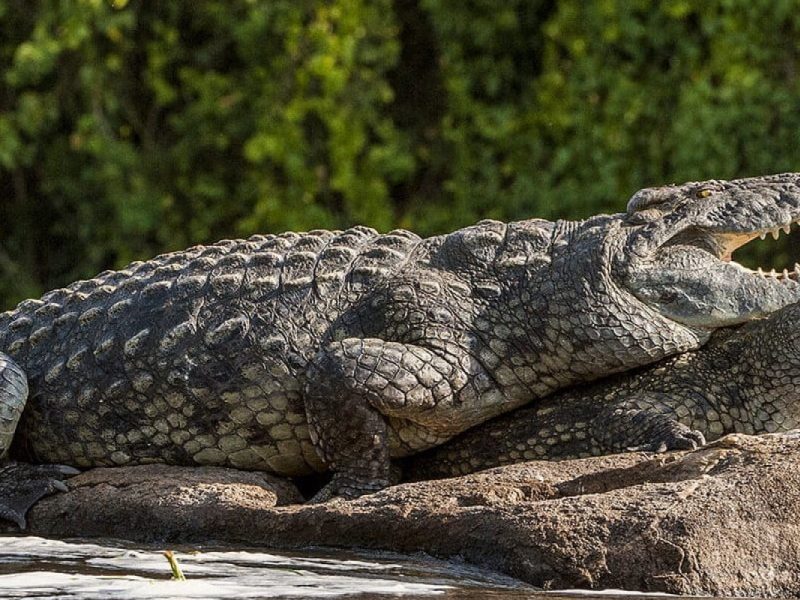
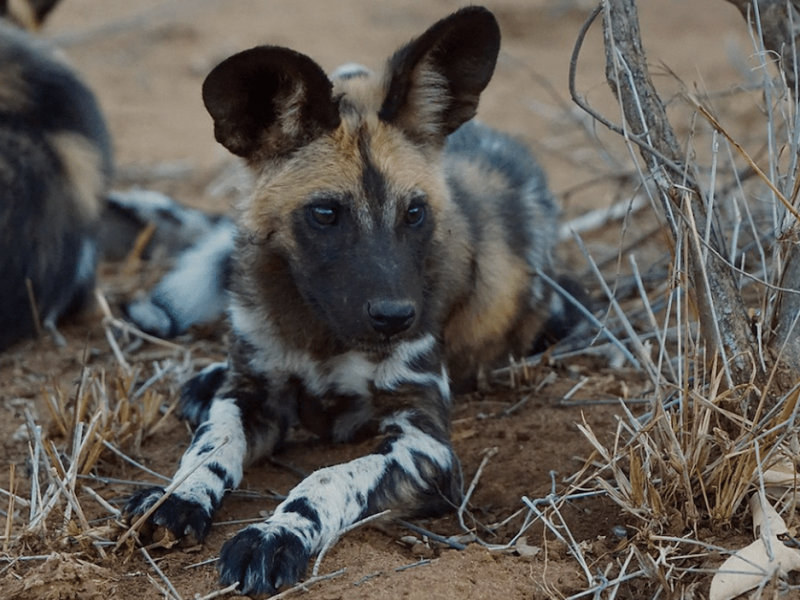
The landscape is shaped by the mighty Rufiji River, Tanzania’s largest river system, which creates an intricate network of channels, oxbow lakes, swamps, and floodplains. This permanent water supply supports a rich diversity of wildlife, including elephants, buffalo, giraffes, hippos, crocodiles, lions, leopards, and the endangered African wild dog. The varied habitats ranging from riverine forests and open savannah to woodland and wetlands ensure rewarding wildlife encounters throughout the year.
Unlike the northern circuit parks, Nyerere remains largely uncrowded, allowing visitors to explore at a relaxed pace and experience nature without interruption. Access is mainly by light aircraft from Dar es Salaam, reinforcing the park’s exclusive feel. Combined with activities such as game drives, walking safaris, and boat safaris, Nyerere National Park delivers one of the most diverse and immersive safari experiences in Tanzania.
Nyerere Tour Activities
Game Drives
Game drives in Nyerere are defined by diversity and solitude. The vast landscapes mean you can drive for hours without encountering another vehicle.
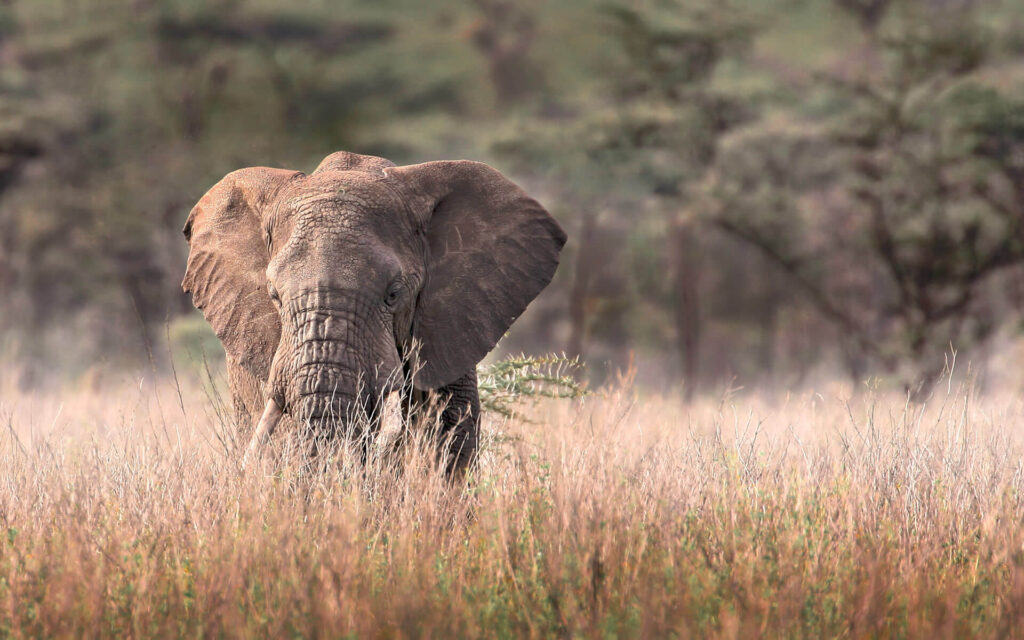
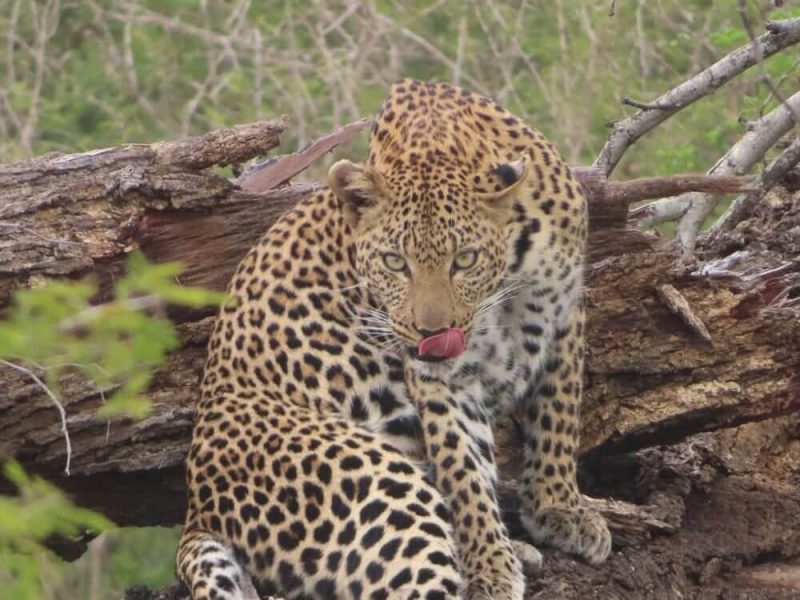
Wildlife sightings often include large elephant herds, buffalo congregations, giraffes browsing along riverbanks, and predators such as lions and leopards. The park is also one of the best places in Tanzania to encounter African wild dogs, especially in the dry season.
Boat Safaris on the Rufiji River
Boat safaris are one of Nyerere’s signature experiences and something not offered in most national parks. Cruising along the Rufiji River allows close encounters with hippos, crocodiles, and water birds at eye level.
Elephants frequently come to drink along the riverbanks, offering exceptional photographic opportunities in soft afternoon light.
Walking Safaris
Nyerere is one of the few national parks in Tanzania where guided walking safaris are a core activity. Accompanied by armed rangers, walking safaris focus on tracks, plants, insects, and animal behavior.
This experience provides a deep understanding of the ecosystem and a strong connection to the landscape that vehicle safaris cannot offer.
Bird Watching
With more than 440 recorded bird species, Nyerere National Park is a paradise for bird enthusiasts. Riverine forests, wetlands, and open woodlands host fish eagles, kingfishers, bee-eaters, storks, herons, and many migratory species. Birding is rewarding year-round, particularly around the Rufiji River system.
Photography and Wilderness Exploration
The combination of rivers, palm-fringed channels, open plains, and dramatic skies makes Nyerere ideal for photography. The absence of crowds allows for unhurried observation and creative compositions, especially during early morning and late afternoon.
Best Time to Visit Nyerere
Dry Season (June to October)
This is the best time to visit Nyerere National Park. Wildlife concentrates around permanent water sources, making sightings more frequent and predictable.
Boat safaris are at their best, walking conditions are excellent, and roads are fully accessible. Temperatures are moderate, and humidity is low.
Shoulder Season (November to December)
Short rains bring fresh greenery and fewer visitors. Wildlife viewing remains good, birdlife increases, and the park feels especially peaceful. This period offers a balance between scenery, wildlife, and value.
Green Season (March to May)
During the long rains, parts of the park become inaccessible, and most lodges close. However, the landscape is lush and dramatic, birdlife is outstanding, and the park feels truly wild.
This season is best suited to experienced travelers prioritizing solitude and nature over classic game viewing.