Samburu National Reserve
Overview

Samburu National Reserve is one of Kenya’s most distinctive and atmospheric safari destinations, located in the country’s remote northern region. Set along the life-giving Ewaso Ng’iro River, the reserve is defined by rugged hills, arid plains, and striking riverine forests—offering a safari experience that feels raw, intimate, and far removed from the busy southern parks.
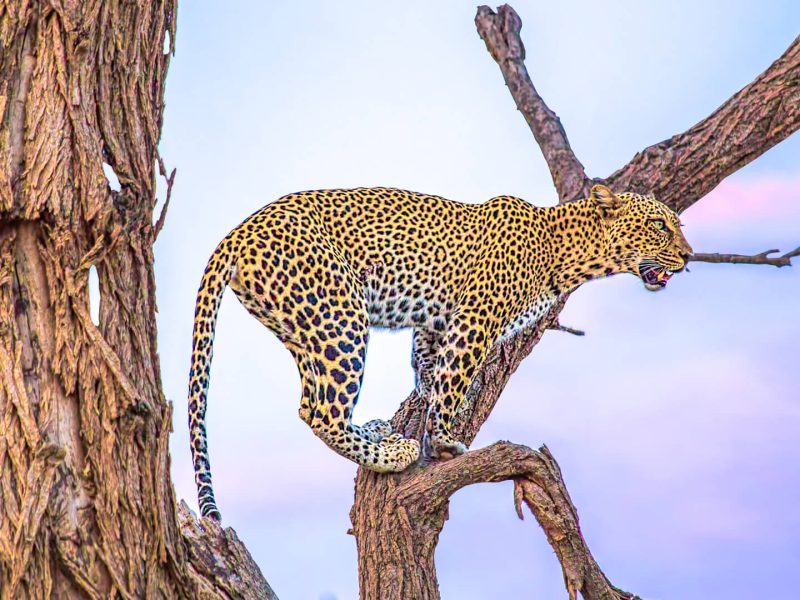
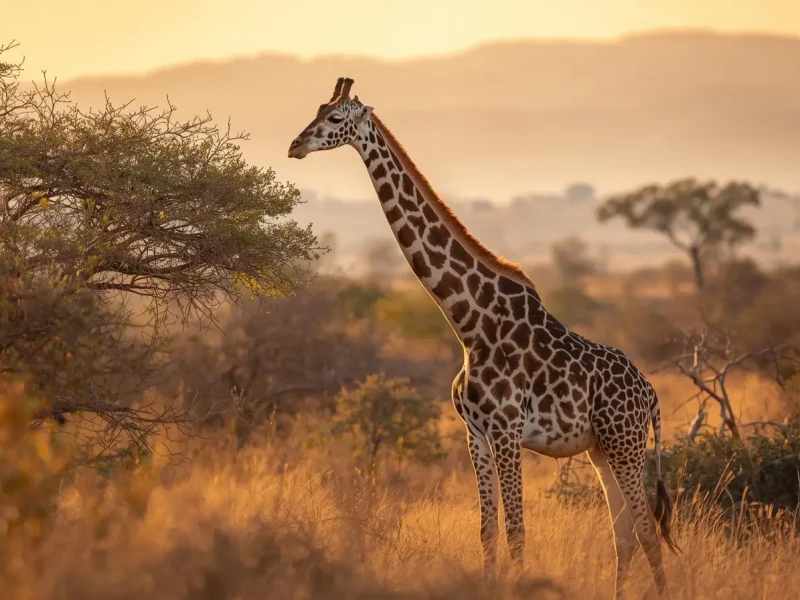
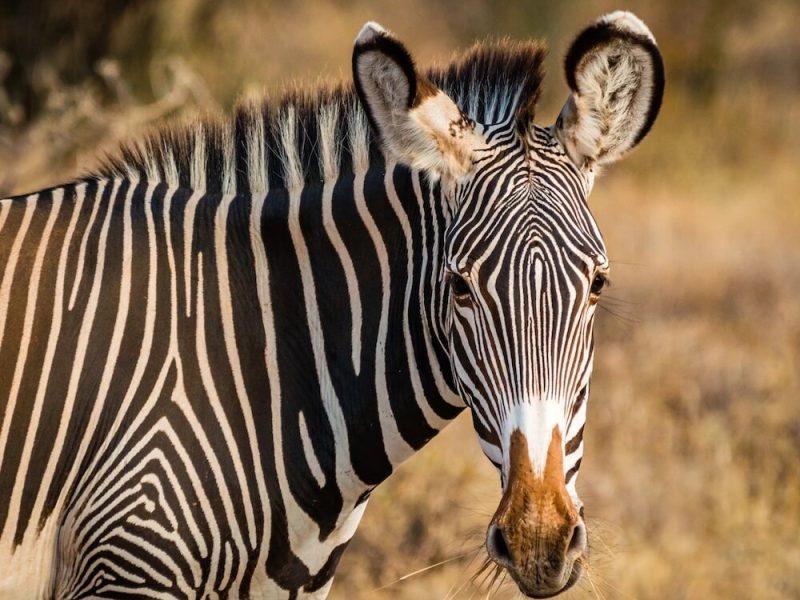
Samburu is celebrated for its rare and specially adapted wildlife, often referred to as the “Samburu Special Five”: the Grevy’s zebra, reticulated giraffe, Somali ostrich, gerenuk, and beisa oryx. These species thrive in the semi-desert environment and are rarely seen elsewhere in Kenya, making game drives here particularly rewarding. Large elephant herds are frequently spotted along the riverbanks, while lions, leopards, and cheetahs add to the reserve’s predator appeal.
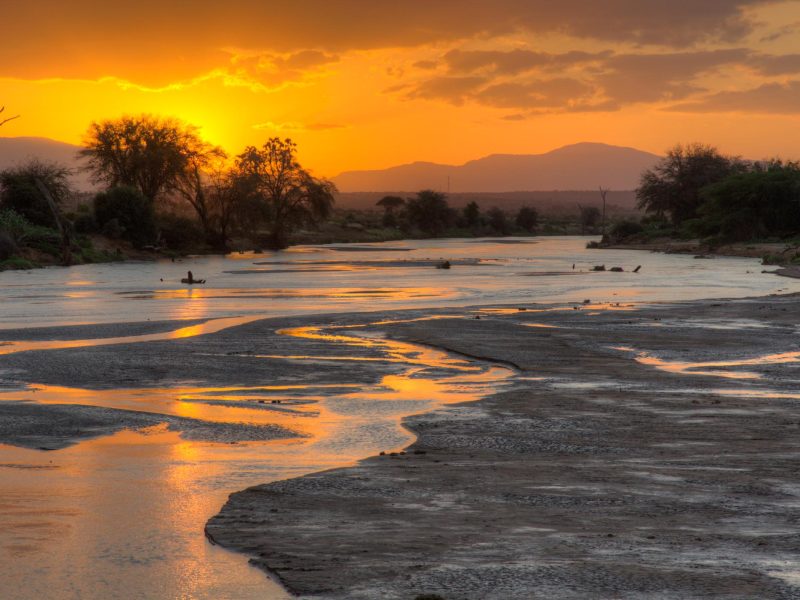
The Ewaso Ng’iro River is the heart of Samburu, attracting wildlife throughout the year and creating excellent game-viewing opportunities even during the dry season. Crocodiles, hippos, and a rich variety of birdlife inhabit the river, providing constant activity against the dramatic northern backdrop.
Beyond wildlife, Samburu offers a strong cultural dimension. The reserve takes its name from the Samburu people, whose traditional way of life, colorful attire, and close relationship with the land add depth to the safari experience. Guided cultural visits offer respectful insight into local traditions and daily life.
Samburu National Reserve is ideal for travelers seeking a quieter, more authentic safari—one that combines rare wildlife, dramatic landscapes, and cultural richness in a setting that feels genuinely wild and untamed.
Samburu Tour Activities
Game Drives
Game drives in Samburu National Reserve offer a calm and uncrowded safari experience, allowing travelers to spend quality time observing wildlife without the pressure of busy vehicle traffic. Early morning drives reveal predators returning from night hunts, while afternoon drives focus on herbivores gathering near water sources.
The reserve is especially known for sightings of the Samburu Special Five, alongside elephants, lions, leopards, and cheetahs. Knowledgeable guides enhance each drive by interpreting animal behavior and tracking movements shaped by the dry environment.
Wildlife Viewing Along the Ewaso Ng’iro River
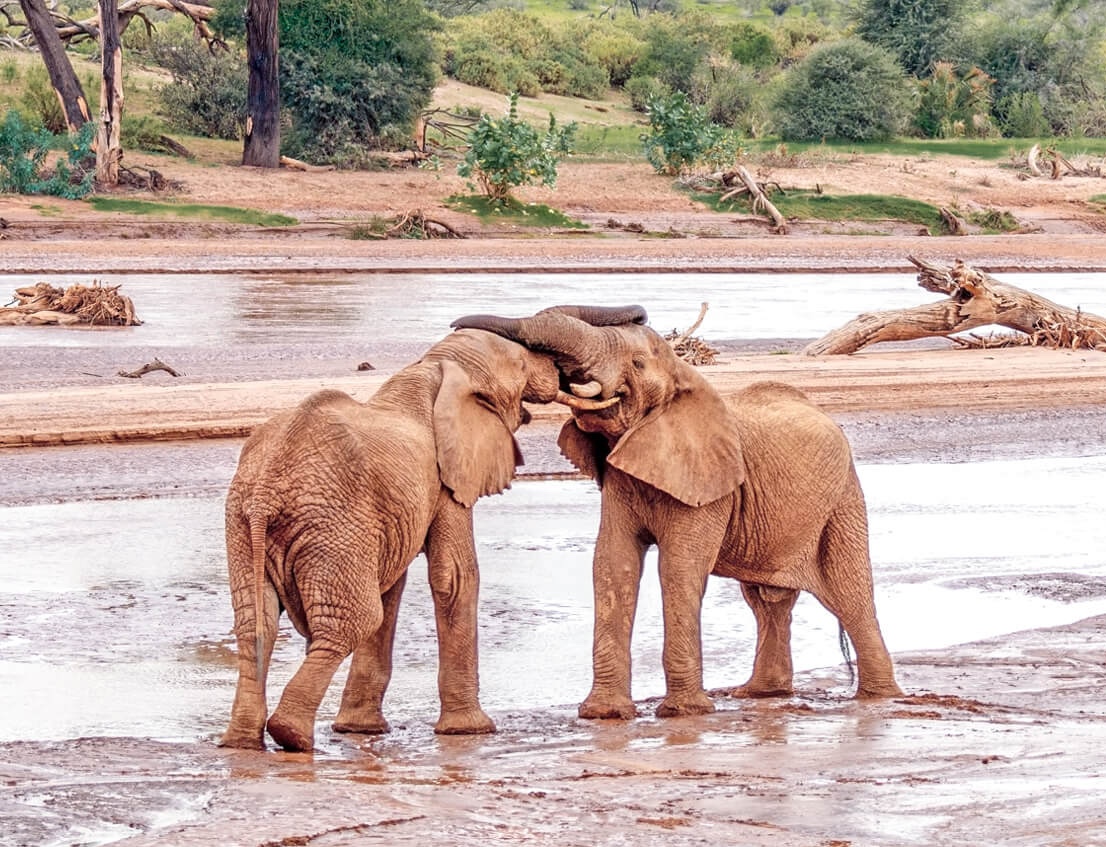
The Ewaso Ng’iro River is the lifeline of Samburu and the most reliable place for wildlife encounters throughout the year. During dry seasons, animals congregate along the riverbanks to drink and cool off, creating excellent viewing opportunities.
Elephants frequently bathe and cross the river, while crocodiles and hippos remain visible in deeper pools. The lush riverine vegetation contrasts beautifully with the surrounding arid plains, making this area both scenic and wildlife-rich
Bird Watching
Samburu is a rewarding destination for bird lovers, with an impressive variety of species adapted to both riverine and semi-desert habitats.
Birding excursions can be enjoyed during game drives or dedicated walks, with chances to spot colorful kingfishers, hornbills, eagles, and rare northern species not commonly seen in southern Kenya. Seasonal migrations add further diversity, especially after the rains.
Cultural Visits to Samburu Villages
Cultural visits provide meaningful interaction with the Samburu people, whose traditional lifestyle remains closely connected to the land. Guided tours introduce visitors to daily activities such as herding, beadwork, and traditional ceremonies.
These experiences are conducted respectfully and offer insight into Samburu customs, social structures, and survival strategies in a semi-arid environment, enriching the safari beyond wildlife viewing.
Guided Nature Walks
Guided nature walks offer a slower, more intimate way to experience Samburu’s landscape.
Led by trained guides, these walks focus on tracking animal footprints, identifying plants used for food and medicine, and understanding the smaller details of the ecosystem often missed on game drives.
Walking safaris emphasize safety while allowing visitors to connect deeply with the land.
Photography Safaris
Samburu’s dramatic scenery, unique wildlife, and striking light conditions make it an excellent destination for photography. Photography-focused safaris are designed to take advantage of early morning and late afternoon light, positioning vehicles carefully for optimal angles.
From close-up portraits of elephants to wide shots of arid landscapes and river scenes, Samburu offers diverse photographic opportunities.
Best Time to Visit Samburu National Reserve
Dry Season
The best time to visit Samburu is during the dry seasons, from June to October and December to March.
During these months, wildlife concentrates around the Ewaso Ng’iro River, making game viewing particularly rewarding, and road conditions are at their best.
Wet seasons
The wet seasons (April–May and November) bring greener landscapes and fewer visitors.
While some roads may be challenging, this period is excellent for bird watching and offers a quieter, more scenic safari experience.