Serengeti National Park
Overview

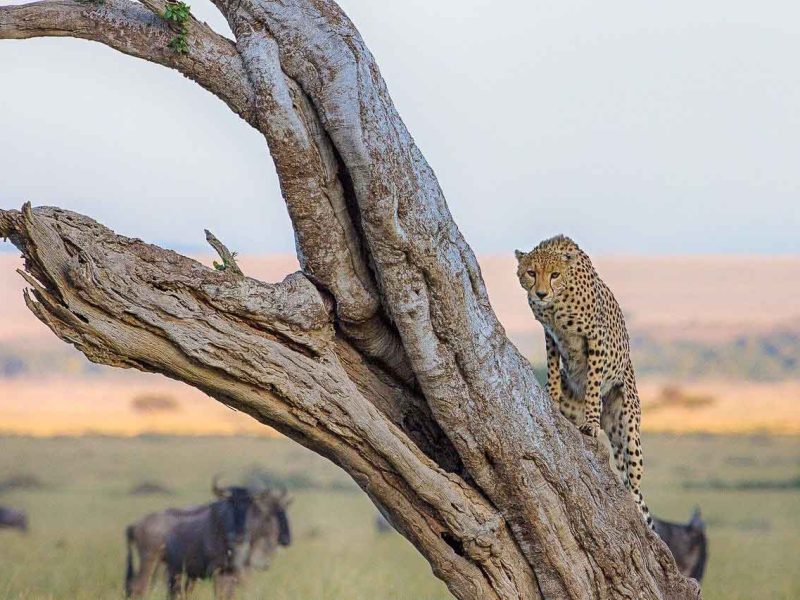
Tanzania’s Serengeti National Park was created in 1952. The great migration of wildebeest and zebra takes place there, making it the site of the world’s largest natural extravaganza. The lion, cheetah, elephant, giraffe, and bird populations that live there are equally impressive. There are many different types of lodging options, ranging from opulent resorts to portable camping. With no more than a few hundred cars traveling around, the park is larger than Connecticut at 5,700 square miles (14,763 square kilometers).
Within the 30,000 km2 area, two Biosphere Reserves and two World Heritage Sites have been established. Its distinctive environment has influenced writers like Ernest Hemingway and Peter Mattheissen, filmmakers like Hugo von Lawick and Alan Root, as well as a large number of scientists and photographers, many of whom have contributed to the creation of this website.
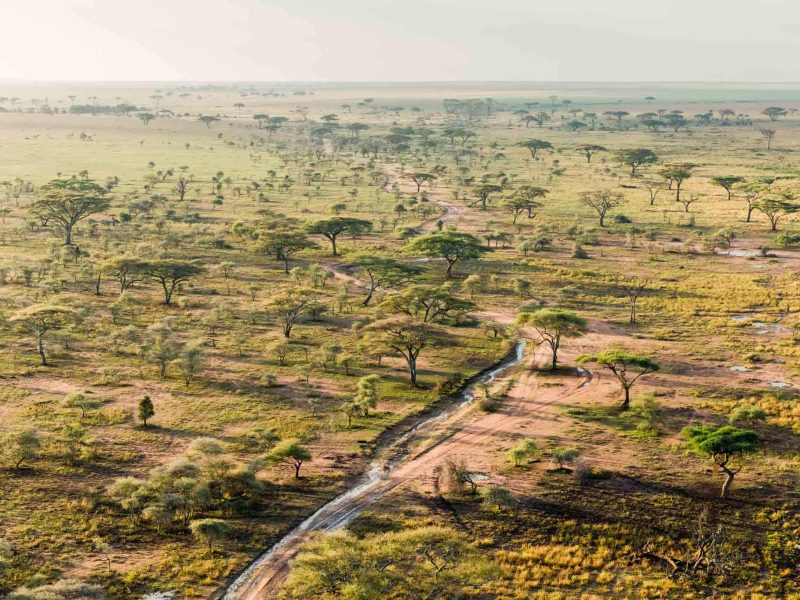
There are three distinct parts to the Park. The Maasai referred to the well-known southern and central region (Seronera Valley) as the “serengit,” or “country of unending plains.” It is a typical savannah, lined with acacia trees and teeming with animals. More trees and deep vegetation can be found in the western corridor, which is designated by the Grumeti River. The least visited area is in the north, where Lobo joins Kenya’s Masai Mara Reserve.
One of the oldest ecosystems on earth is that of the Serengeti. In the last million years, the fundamental characteristics of the climate, vegetation, and wildlife hardly changed. About two million years ago, early man himself made an appearance at Olduvai Gorge. Some migratory, adaptive, and life-cycle patterns are as old as the hills themselves.
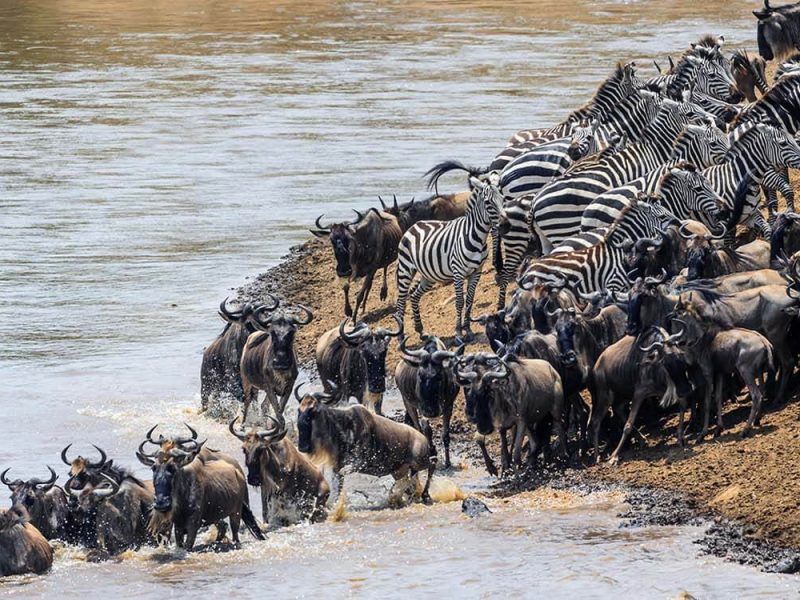
It is the migration for which Serengeti is perhaps most famous. Over a million wildebeest and about 200,000 zebras flow south from the northern hills to the southern plains for the short rains every October and November, and then swirl west and north after the long rains in April, May and June. So strong is the ancient instinct to move that no drought, gorge or crocodile infested river can hold them back.
The Wildebeest travel through a variety of parks, reserves and protected areas and through a variety of habitat. Join us to explore the different forms of vegetation and landscapes of the Serengeti ecosystem and meet some of their most fascinating inhabitants.
Serengeti Tour Activities
Game Drives
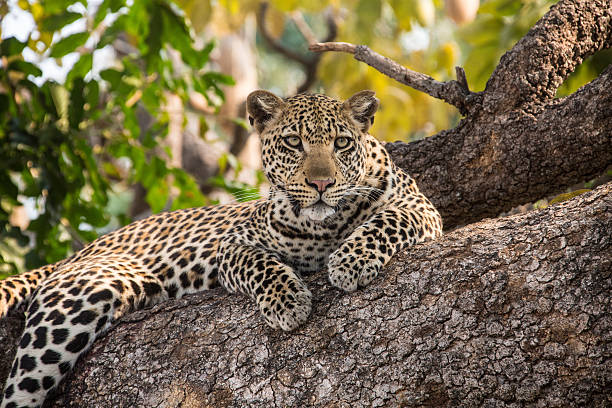
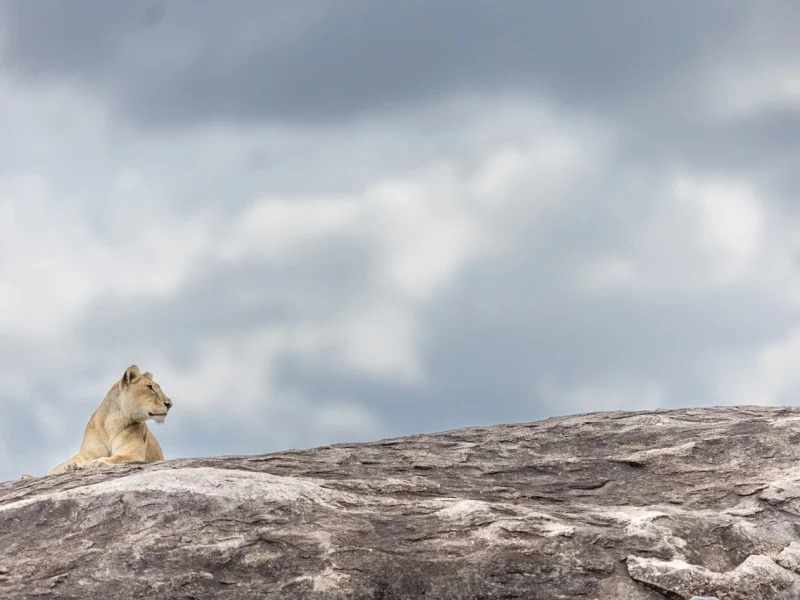
Game drives are the heart of the Serengeti experience. The park’s vast size means that each region offers a different atmosphere and wildlife focus. The central Seronera area is known for year-round game, especially large lion prides and leopards along riverine trees.
The western corridor is quieter and defined by the Grumeti River, where dramatic wildlife interactions occur during the migration season. In the north, near the Mara River, patient viewing may reward visitors with river crossings involving wildebeest, zebra, and crocodiles.
Great Wildebeest Migration
The migration is not a single event but a continuous cycle. From January to March, the southern plains host calving season, attracting predators and offering intense wildlife action.
Between June and July, herds move through the western corridor, and from August to October they gather in the north, where river crossings are most likely. Each phase offers a different but equally powerful safari experience.
Hot air balloon safaris
A sunrise balloon safari provides a rare perspective of the Serengeti’s scale. Floating silently above the plains allows you to observe wildlife movements below, from grazing herds to predators returning from night hunts.
The experience typically ends with a bush breakfast in the open savannah and is especially memorable during migration periods.
Photography and filming
The open landscapes, dramatic skies, and abundant wildlife make the Serengeti a dream location for photographers and filmmakers.
Early mornings and late afternoons offer the best light, while the dry season provides clear visibility. The variety of habitats ensures that each day delivers new compositions and storytelling opportunities.
Best Time to Visit Serengeti
A year-round safari destination
The Serengeti can be visited at any time of year, but the experience changes depending on wildlife movements and seasonal conditions.
Choosing when to visit depends on whether your priority is migration viewing, predator activity, photography, or fewer crowds.
Dry season (June to October)
This period is excellent for general wildlife viewing. Animals gather around permanent water sources, vegetation is shorter, and road conditions are at their best.
The northern Serengeti is especially popular from August to October for potential Mara River crossings. Days are warm, evenings cool, and skies are mostly clear.
Green season (November to May)
The landscape transforms after the rains, becoming lush and vibrant. From January to March, the southern Serengeti hosts the calving season, when thousands of wildebeest calves are born each day.
This attracts predators and provides dramatic, fast-paced wildlife encounters.